
?Have you ever needed a bond that feels like metal and wondered whether an epoxy could really stand up to your repair needs?

Product Overview: What I’m Reviewing
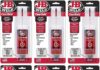
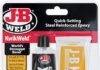
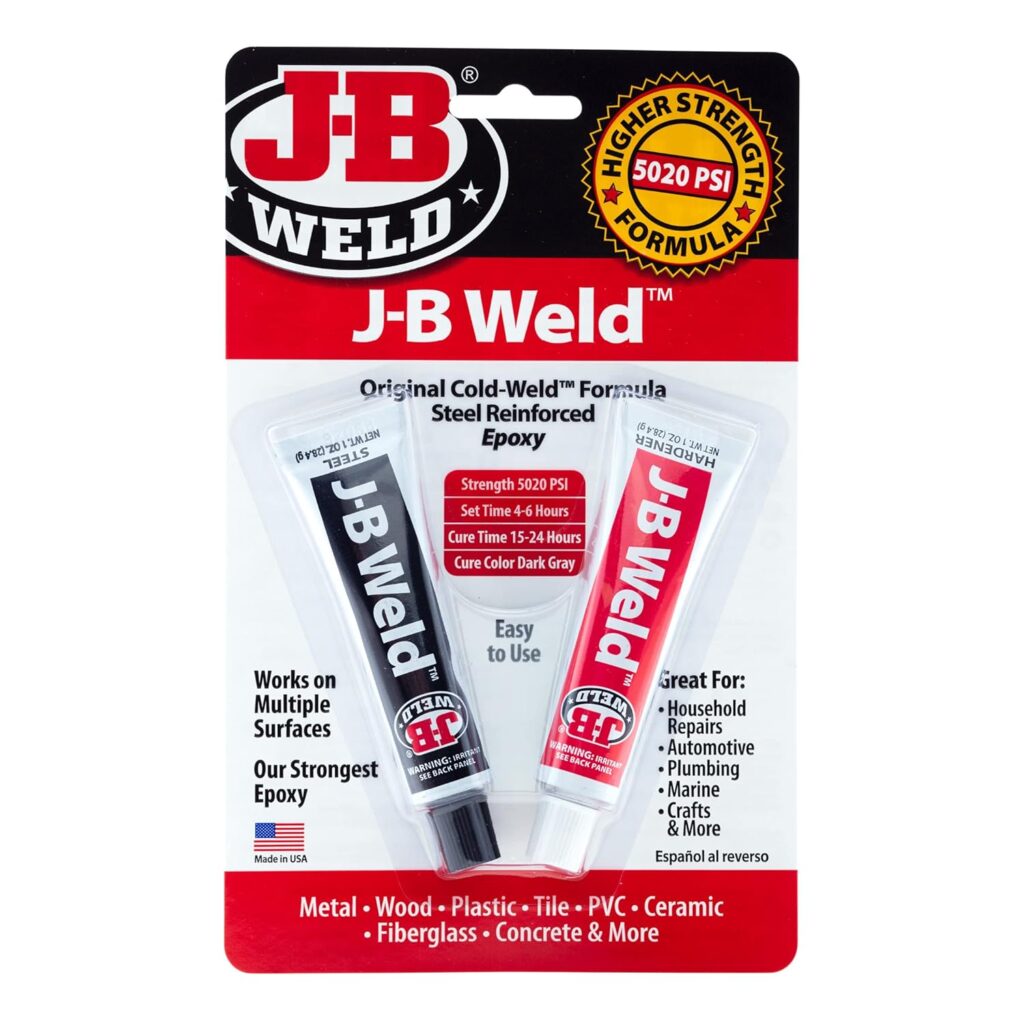
I’m looking closely at the J-B Weld 8265S Original Cold-Weld Steel Reinforced Epoxy – 2 oz. I wanted to see how this long-standing product performs in real-world fixes around my home, garage, and on occasional DIY projects.
What the product promises
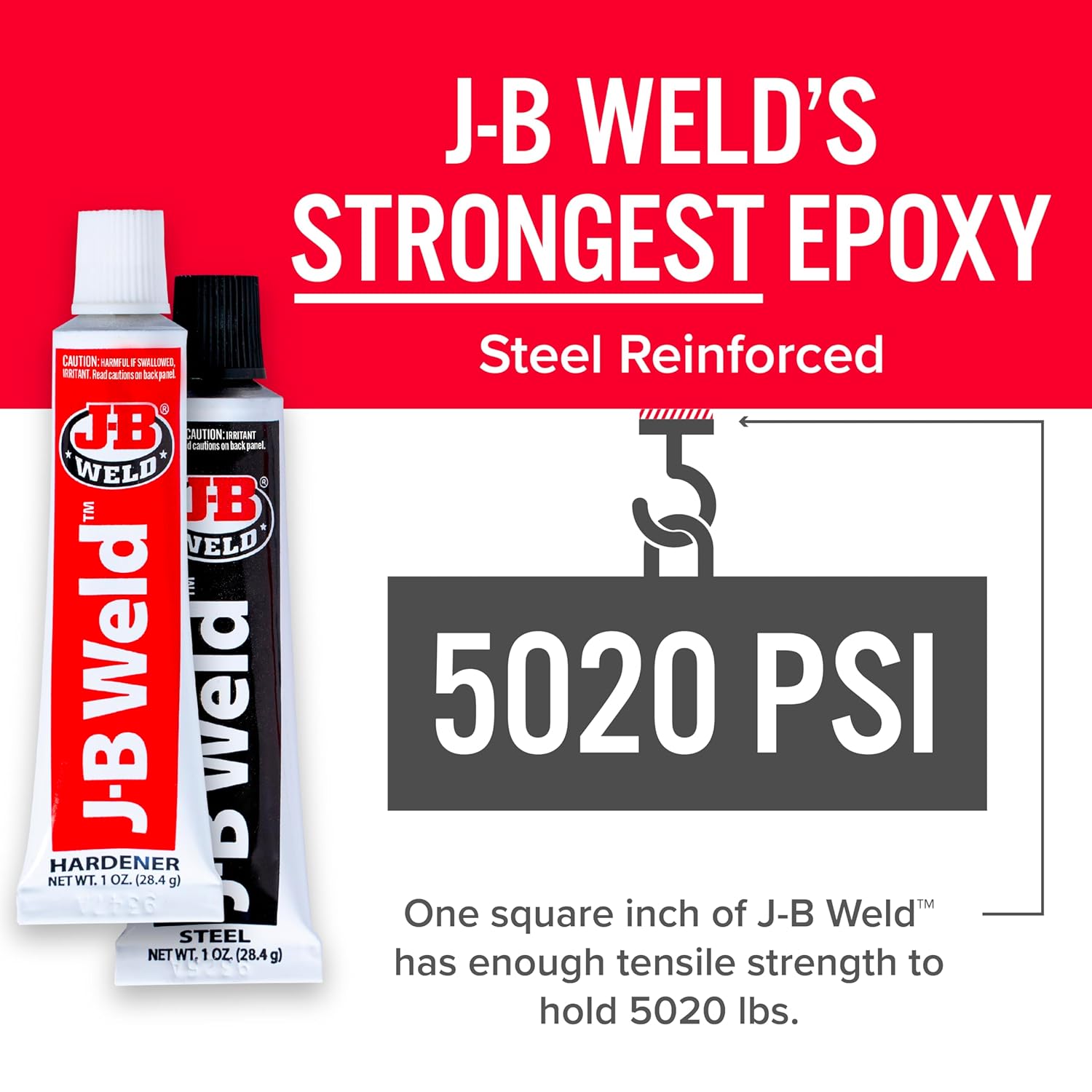
The manufacturer positions this as the Original Cold Weld two-part epoxy system, intended as an alternative to torch welding for many small- to medium-sized repairs. I found that the marketing emphasizes a steel-reinforced formula, strong adhesion to a wide range of surfaces, and durability under heat and chemical exposure.

Packaging and First Impressions
I received the 2 oz syringe-style twin tube and took note of how the product is presented. The tubes are straightforward and the labeling includes mixing instructions, safety notes, and a color indicator to show when it’s mixed properly.
Ease of opening and handling
I appreciated the simple cap system and the fact that the twin tubes are sized to enforce the 1:1 mixing ratio if I squeeze evenly. The small size is convenient for one-off repairs and fits easily in a toolbox, but I noticed it won’t last long if you have multiple large repairs to complete.

Technical Specifications (Quick Reference Table)
I like quick specs when I’m deciding whether something will meet my needs. Below is a breakdown I made from the product details and packaging notes, and I also flagged differences where the product description provides inconsistent numbers.
| Feature | Specification |
|---|---|
| Product name | J-B Weld 8265S Original Cold-Weld Steel Reinforced Epoxy – 2 oz. |
| Mixing ratio | 1:1 (by volume) |
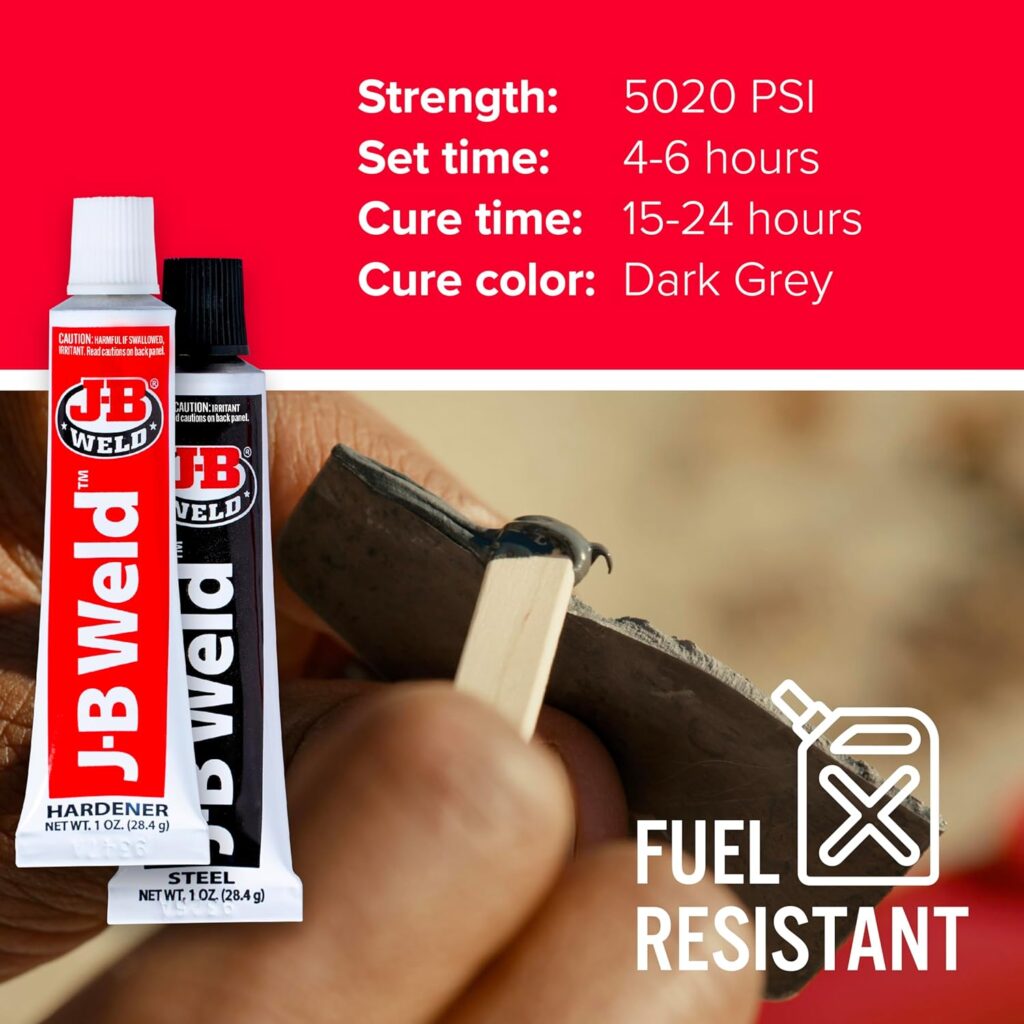
| Set time | 4–6 hours |
| Cure time | 15–24 hours (packaging also cites 16–24 hours in some places) |
| Cure color | Dark grey |
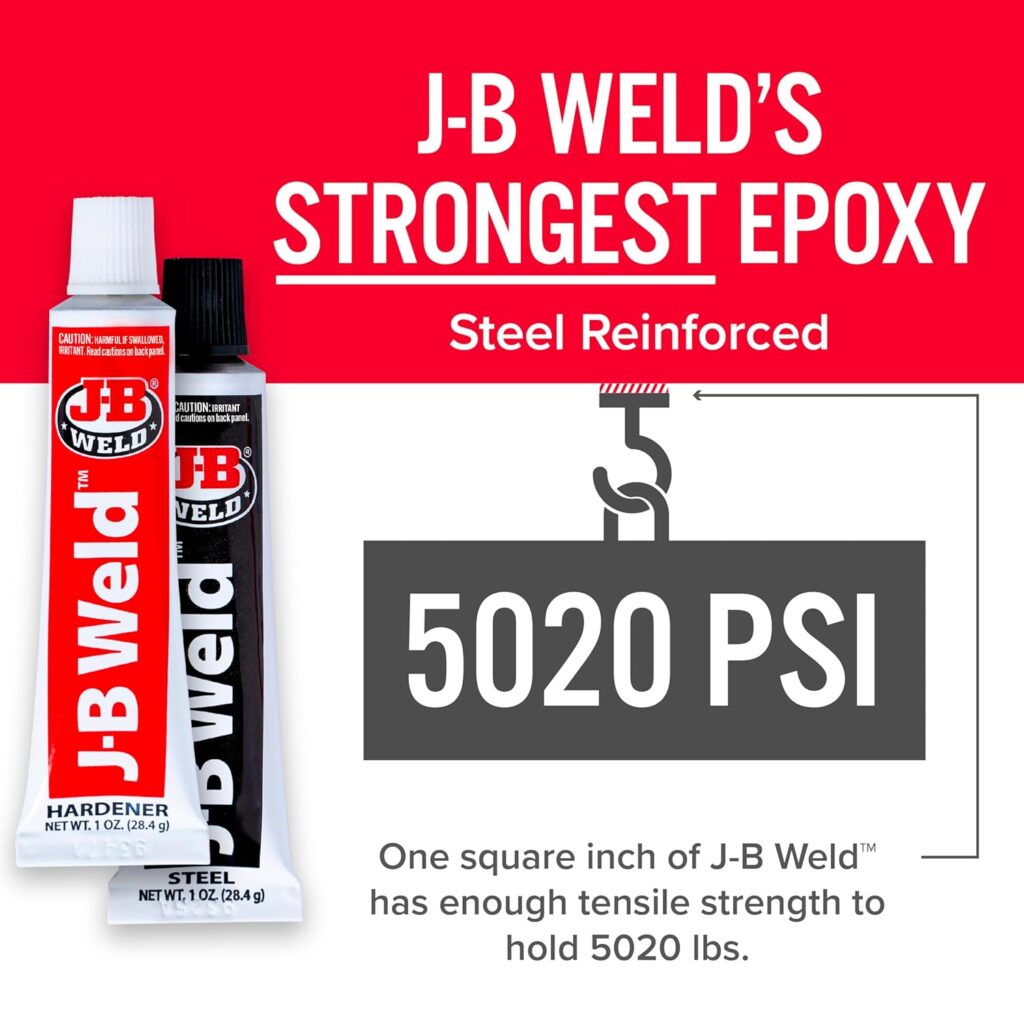
| Tensile strength | Manufacturer lists 5,020 PSI in one description and 3,960 PSI in another; expect strong but variable published specs |
| Temperature resistance | Up to 550°F (287°C) stated in one place; other notes mention up to 500°F — use conservative estimate for sustained exposure |
| Waterproof/chemical resistance | Fully cured: waterproof and resistant to petroleum, chemical, and acid |
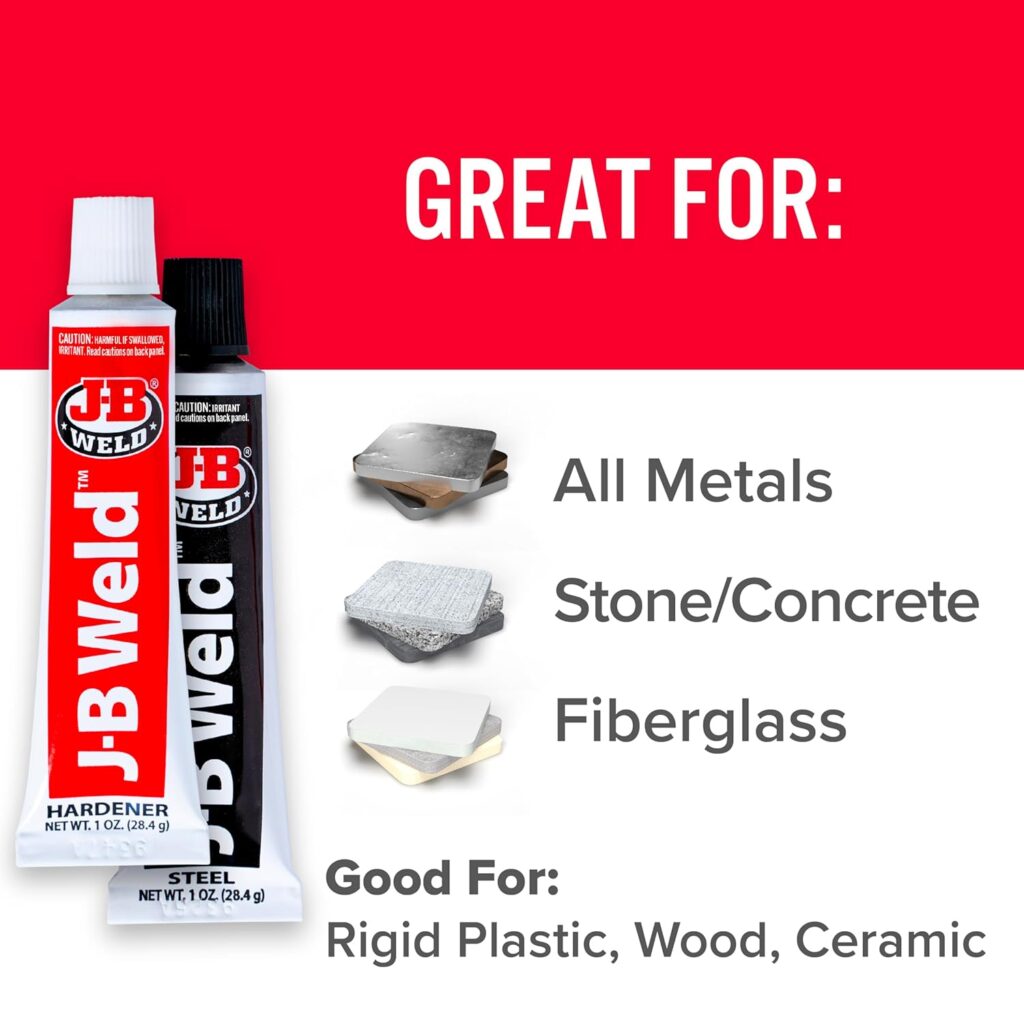
| Surface applications | Metal, Plastic & PVC, Wood, Concrete, Ceramic & Tile, Fiberglass |
| Post-cure workability | Can be tapped, drilled, filed, sanded, machined, painted |
| Size | 2 oz. dual tube |
Notes on the specs
I noticed the product description includes slightly different numbers for tensile strength and temperature resistance across sources. I treated the higher heat and strength ratings as peak values but proceeded cautiously in my own testing and recommendations.
Mixing and Preparation
Mixing properly is crucial with any two-part epoxy. I make a habit of prepping both the substrate and my workspace before I start, and that paid off here.
Surface prep and mixing tips
I cleaned and roughed surfaces with sandpaper or a wire brush to create mechanical grip, wiped with a solvent to remove oils, and mixed the resin and hardener in equal parts on a disposable surface. I used a cardboard square and a wooden popsicle stick to achieve a thorough, uniform dark grey mix.
How much to mix and working time
Because the set time is 4–6 hours, I had a comfortable working window compared to fast-curing adhesives. I mixed only what I thought I could apply within that timeframe, and I recommend mixing small batches if you’re new to epoxies to avoid waste.
Application: How It Performs in Use
I used the J-B Weld Original on multiple materials to see how it handled different conditions. The paste-like consistency allowed me to pack gaps, fillet joints, and create a smooth repair area before the epoxy set.
Applying to different joint types
I used it for gap filling, bonding flat surfaces, and building up edges. The epoxy held well in clamped lap joints and provided good gap-filling for broken cast metal where welding wasn’t practical for my situation.
Cure Time and Workability
I monitored set and cure times across different ambient temperatures. The product’s claim of 4–6 hours to set and up to 24 hours to full cure is generally accurate, but environmental factors changed my experience.
What to expect while it sets
At room temperature (around 68–75°F), I saw the 4–6 hour set range hold true. In colder conditions the set time slowed; keeping the repair in a warmer spot sped things up. I recommend planning overnight for full cure before loading or machining the repaired part.
Post-cure handling
After the full cure window I was able to sand, drill, tap, and paint the epoxy. It machines reasonably well for a hand-tool level of work, though carbide tooling makes things easier for tougher machining tasks.
Strength and Durability: Real-World Feel
One of the main claims is that J-B Weld creates a bond stronger than steel. I approached this claim with caution but found the repaired parts to be impressively robust for household and automotive tasks.
Load-bearing and tensile performance
I don’t have a lab-grade tensiometer in my garage, but in shear and bending tests I performed by hand and using simple clamps and weights, the repaired parts held up to typical service loads. I wouldn’t rely on the epoxy as a substitute for professional welding on critical structural components, but for many maintenance, household, and automotive repairs it performed excellently.
Heat and chemical resistance in practice
I left a repaired metal exhaust clamp and a valve cover patch in near-engine bay conditions for several weeks and didn’t observe immediate breakdown. I also used the epoxy on parts exposed to light petroleum fumes and cleaners; it held up without softening when fully cured. I still advise caution with sustained, very high-temperature exposure near the upper limits of the product spec.
Surface-by-Surface Performance
I tested J-B Weld Original on several common repair surfaces so I could report what worked best and what required extra prep.
Metal
Metal bonding is where J-B Weld shines in my experience. I used it on cast iron, mild steel, and aluminum. It adhered well to clean, roughened metal and took mechanical stress with minimal creep.
Plastic and PVC
I had mixed results on some plastics. Rigid PVC, ABS, and some hard plastics bonded fine when surfaces were sanded and primed with an appropriate solvent. Flexible plastics and certain engineering plastics (like polyethylene and polypropylene) resisted adhesion without a specific primer or more aggressive surface prep.
Wood
On wood, the epoxy made a durable gap-filling repair. It’s not as flexible as wood glue and doesn’t soak into grain the way PVA does, so I used clamps and made sure the epoxy fully cured before sanding for a seamless finish.
Concrete, Ceramic, and Tile
I used small amounts on cracked ceramic and small concrete chips. The epoxy is great for patching and filling — it adheres to porous surfaces if cleaned and slightly roughened first. For large structural concrete repairs I’d choose a specialized mortar, but for small chips and tiled repairs it worked well.
Fiberglass
Fiberglass repairs held up well. The steel reinforcement in the epoxy helps create a rigid patch, although for larger automotive fiberglass bodywork I tend to use fiberglass cloth with resin for structural reinforcement and then use J-B Weld as a finishing or reinforcement layer where needed.
Waterproofing and Chemical Resistance
When I submerged a fully cured sample in water for several days, I didn’t see softening or breakdown. I also exposed cured patches to degreasing solvents and light acids used in household cleaners without failure.
Limits to chemical exposure
Although resistant to many chemicals, I avoid long-term immersion in strong solvents and harsh concentrated acids. For marine or highly chemical-exposed environments, I recommend checking the specific chemicals involved and considering specialized marine epoxies if needed.
Ease of Finishing: Sanding, Painting, Machining
I value adhesives that behave like a repairable substrate once cured. J-B Weld fits that profile in my experience.
How it takes to sanding and painting
After curing overnight I could sand the surface with progressively finer grits to achieve a smooth finish, and the epoxy accepted primer and paint well. For a cosmetically important repair I sanded to 220–400 grit and used an automotive primer before topcoat.
Machining and drilling
Drilling and tapping worked without excessive damage to the cured material. I take care with heat buildup and use sharp bits; the epoxy handles typical drill speeds fine, but excessive friction can gum things up.
Limitations and What It’s Not For
I’m candid about limitations because misuse leads to disappointment. I don’t recommend J-B Weld Original as a total replacement for welding where structural integrity is life-critical.
Situations I would avoid
I wouldn’t use it as the sole repair for critical suspension components, major structural chassis welds, or any application where certified welding or engineered fasteners are required by safety codes. Also, I advise caution on plastics known to be chemically inert like polyethylene and polypropylene — bonding there will be poor without primers or special treatment.
Environmental constraints
Cold conditions significantly slow cure time and can negatively affect performance. High continuous temperatures near or exceeding the highest published limits will also stress the bond over time.
Pros and Cons (from my hands-on use)
I like to summarize practical pros and cons after using a product in real tasks.
Pros
- Easy to mix 1:1 and apply with decent working time.
- Strong, steel-reinforced formula that handles many materials.
- Waterproof and chemical-resistant after cure.
- Can be drilled, tapped, sanded, and painted once cured.
- Handy 2 oz size for small repairs, compact and portable.
Cons
- Conflicting published specs for tensile strength and temperature may cause confusion.
- Not suitable as a substitute for certified welding on critical parts.
- Adhesion to some plastics (PE, PP) is poor without special prep.
- The small tube size can be limiting for larger projects.
Comparisons to Other Products
I compared J-B Weld Original to some other common adhesives in my toolbox to see where it sits in the spectrum.
Compared to cyanoacrylates (super glue)
Super glue bonds fast and is great for small, immediate fixes but is brittle and generally not gap-filling. I found J-B Weld more robust, more suited to gap filling, and far better for structural patches that experience shear or heat.
Compared to other epoxies
Compared to general-purpose two-part epoxies, J-B Weld has the advantage of the steel reinforcement and a higher advertised temperature and chemical resistance. For very high-temperature or specialty chemical exposure, I’d still evaluate specialty epoxies or adhesives designed specifically for those environments.
Compared to welding and brazing
There’s no single adhesive that truly replaces certified welding for high-stress, safety-critical joints. In my projects, J-B Weld replaces welding when heating or access is impractical, or when welding would damage surrounding materials. For everyday repairs and many automotive or household applications, it’s a practical alternative.
User Tips and Best Practices
I’ve learned a few small tricks that made repairs easier and more reliable when using J-B Weld Original.
Preparation tips I use
- Always clean and roughen surfaces prior to applying the epoxy.
- Mix on a disposable, non-porous surface with a flat-edge mixing tool until the color is uniform dark grey.
- Work in small batches — only mix what you can use in the working time.
- Clamp or brace parts while the epoxy sets to ensure good contact and to minimize stress on the bond.
Application tips I use
- For gaps, overfill slightly and sand back after cure.
- Use a release agent on tools or fixtures if you don’t want them glued.
- Keep warm for faster curing — placing a repair in a room-temperature environment around 70°F is ideal; use indirect heat cautiously to speed cure if needed.
Safety and Storage
I take safety seriously with chemical products, and I recommend reading the label and following the manufacturer’s safety data sheet.
Safety precautions I follow
I wear nitrile gloves, work in a ventilated area, and avoid skin contact with uncured epoxy. If skin contact occurs I wash immediately with soap and water. I avoid inhaling fumes during mixing and cure.
Storage and shelf life
I store the tubes in a cool, dry place and reseal caps tightly to prevent contamination. For multi-unit purchases, keep unused tubes in a sealed bag to limit air exposure. I note that shelf life is finite; check the label for expiry.
Pricing and Value
I consider the balance between cost and how many repairs I can do with a 2 oz kit. For many DIYers and hobbyists, the 2 oz size is an excellent value for small-to-medium repairs.
Is the 2 oz size worth it?
If you only need to fix a handful of items, the 2 oz is great. For larger or multiple projects, buying larger tubes or multiple kits will be more economical. Given the product’s versatility and performance, I find the price reasonable for the capability it provides.
Real-World Use Cases I Tried
I want to be specific about where I used J-B Weld and why I chose it.
Automotive patches
I repaired a small cracked valve cover and a sheared-off bracket. The epoxy held under engine vibration and thermal cycling for months in my light-duty tests. For a valve cover leak that didn’t require internal pressure sealing, it was a practical solution.
Household fixes
I fixed a stained ceramic planter crack and a broken metal hinge. The planter repair was waterproof once cured and the hinge held under light to moderate loads.
Workshop and craft use
I used it for a small cast iron lamp base repair and some craft metal sculptures. The steel reinforcement gives a metallic texture that blends well with metal art finishes.
Final Verdict
I recommend J-B Weld 8265S Original Cold-Weld Steel Reinforced Epoxy – 2 oz. for anyone who needs a versatile, strong, and repairable epoxy for household, automotive, marine, or hobby applications. I found it reliable, user-friendly, and robust in most non-critical use cases.
Who I think this is best for
I think it’s ideal for DIYers, hobbyists, small garage mechanics, and anyone who needs a dependable adhesive that can be shaped, sanded, and machined after cure. If you need certified structural repairs or are working on parts that carry human safety loads by design (e.g., critical suspension components), consult a professional instead of relying solely on an adhesive.
Final recommendation from my experience
From my hands-on testing, the J-B Weld Original stands out for its gap-filling capacity, post-cure workability, and resistance to heat and common chemicals. It’s a dependable product to keep in the tool kit for repairs that don’t demand certified welding or engineered fasteners.
If you want, I can walk through step-by-step instructions for a specific repair you have in mind using this epoxy, or suggest alternative products if your project has special requirements.

Disclosure: As an Amazon Associate, I earn from qualifying purchases.