
Have you been looking for a reliable epoxy paste to anchor bolts and fix concrete cracks around the house or jobsite?

Our Quick Take
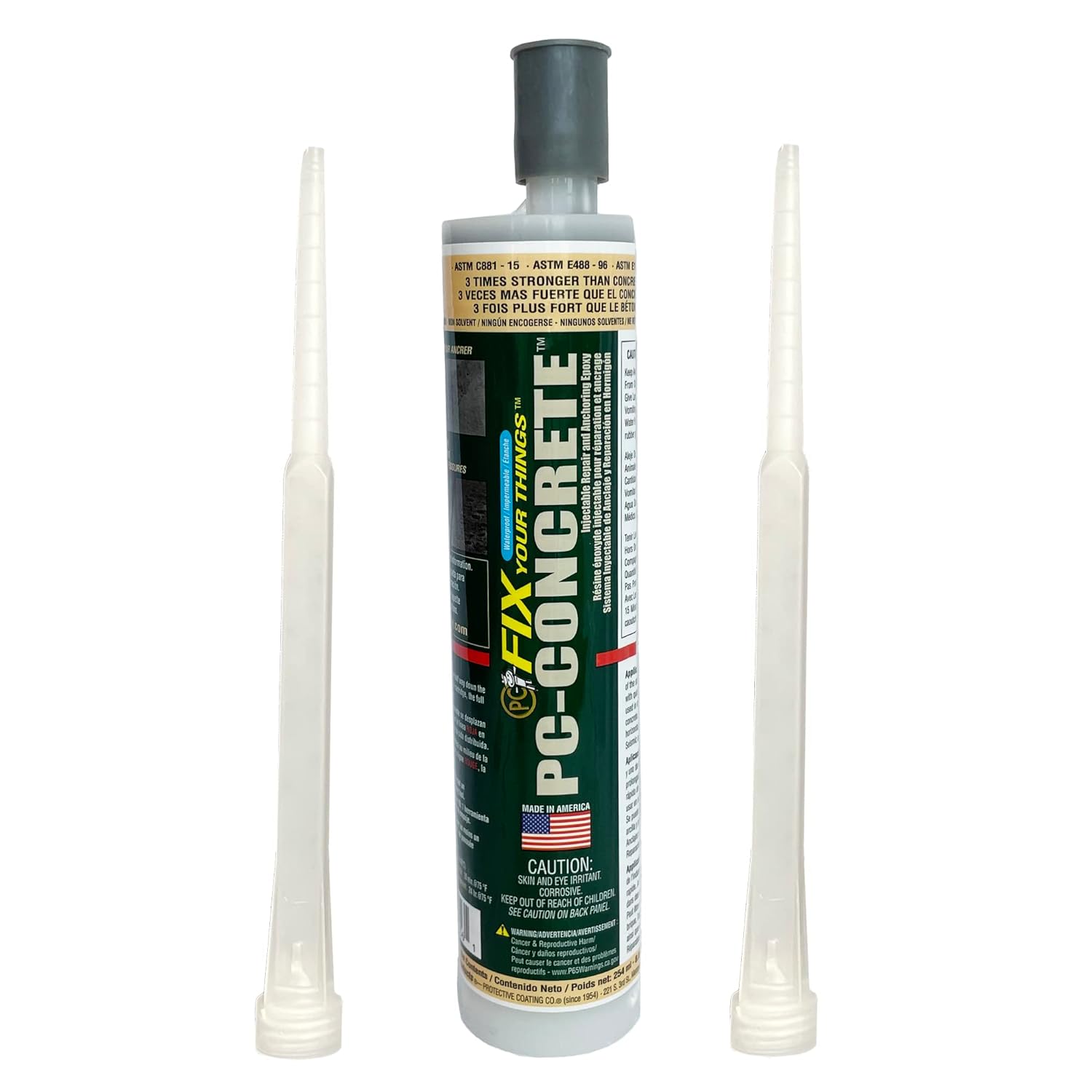
We find the PC Products 72561 PC-Concrete Two-Part Epoxy Adhesive Paste for Anchoring and Crack Repair, 8.6 oz Cartridge, Gray to be a strong, versatile option for a range of anchoring and repair tasks. We appreciate its two-part chemistry, which gives predictable working and curing properties while resisting moisture and temperature changes during service.

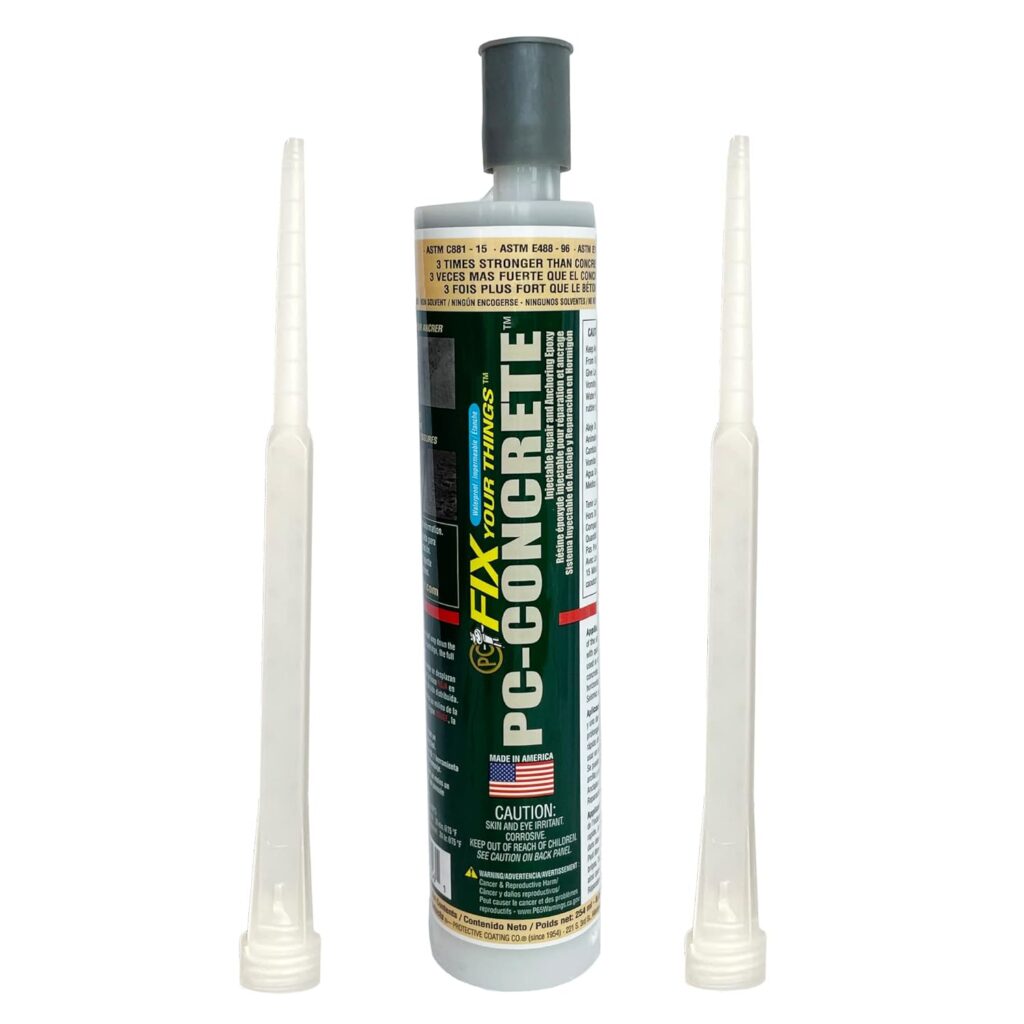
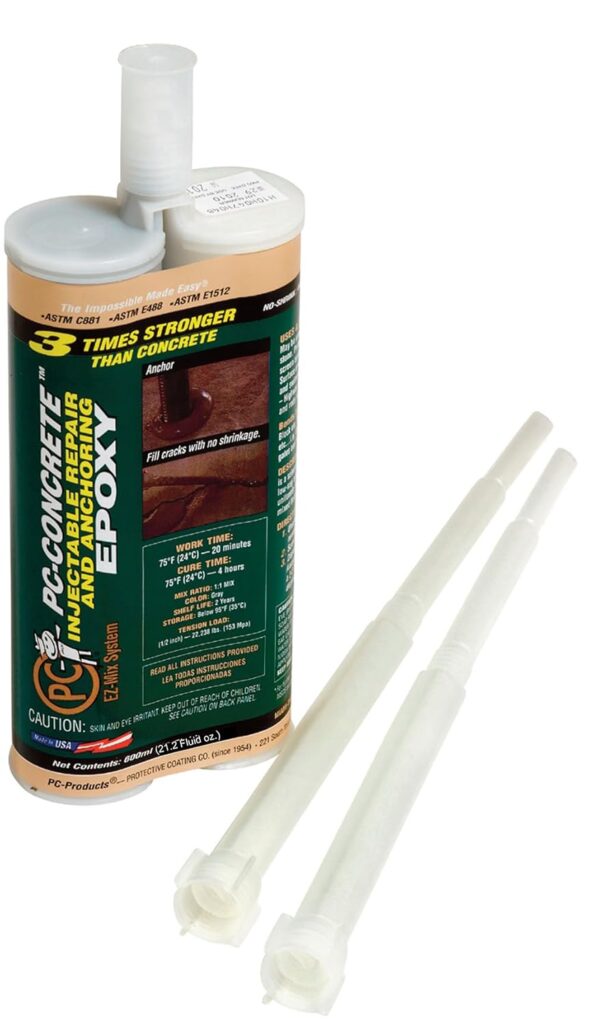
PC Products 72561 PC-Concrete Two-Part Epoxy Adhesive Paste for Anchoring and Crack Repair, 8.6 oz Cartridge, Gray
$28.53 In Stock
Product Overview
We think it’s important to understand what this product promises before committing to it on a job. The PC-Concrete epoxy is marketed as both an anchoring adhesive and a permanent concrete crack repair paste that bonds to cleaned concrete surfaces and resists movement during expansion and contraction.
What It Is
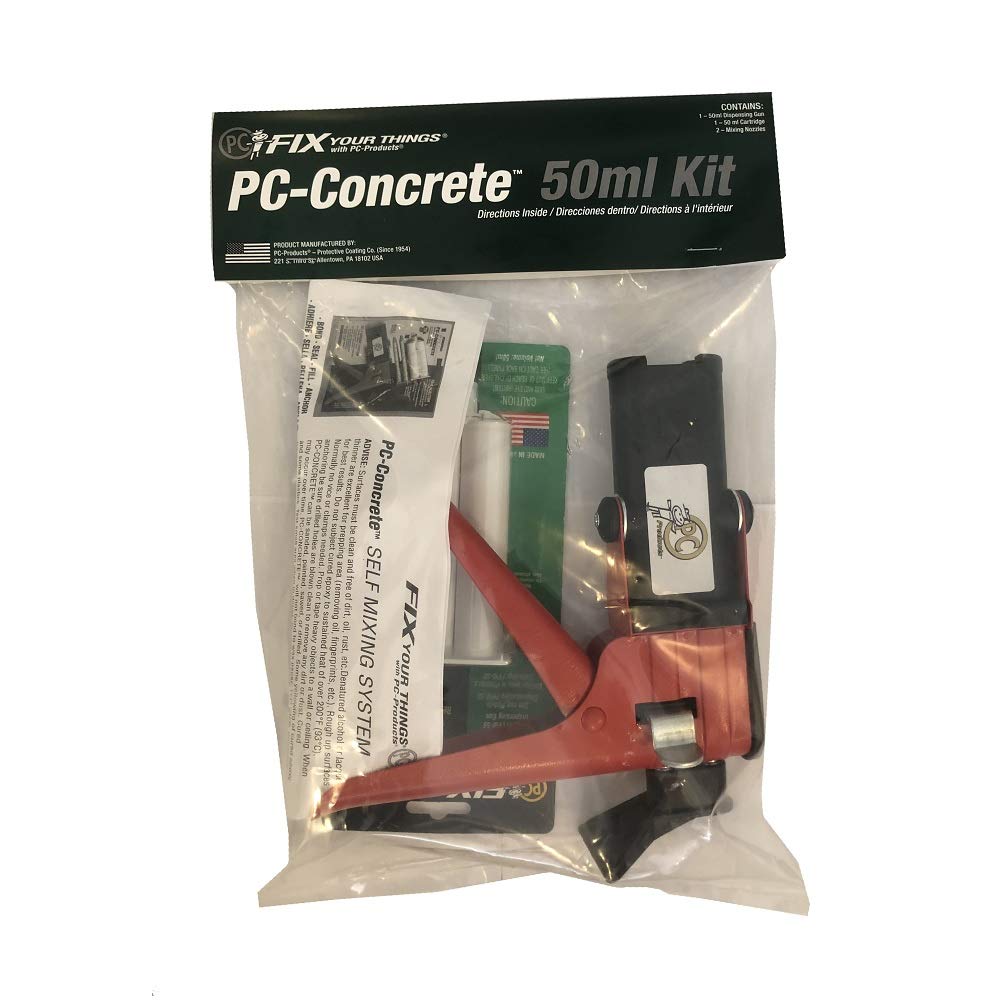
We describe the PC-Concrete as a high-tack, two-part epoxy paste formulated to fill cracks and set threaded rods, bolts, rebar dowels, and smooth dowels into concrete, grout-filled block, and unreinforced masonry. We note that the 8.6 oz cartridge is designed for use with a standard caulk-style dispensing gun that can handle at least an 18:1 thrust ratio.
Key Features
We want to highlight the features that matter to practical users: moisture resistance, vertical application capability, indoor/outdoor suitability, and clear work/cure times. We also point out that it meets ASTM C881-99, which gives confidence about its performance relative to industry standards.
| Feature | What It Means for Us |
|---|---|
| Two-part epoxy paste | Ensures stronger adhesive bonds and more durable repairs compared with single-part caulks. |
| High-tack, moisture-resistant paste | Allows application in damp conditions and on vertical surfaces without sagging. |
| Suitable for anchoring | Can hold threaded rods, bolts, and rebar in concrete and masonry. |
| Application temp: 35°F to 115°F | Usable in most jobsite conditions; cold-limit is 35°F for proper curing behavior. |
| Service temp: -20°F to +115°F | Provides stable performance across typical outdoor climates. |
| Work time: 20 minutes (75°F) | Gives a predictable window for positioning anchors and tooling joints. |
| Cure time: 4 hours (75°F) | Allows relatively quick return to service for many repairs. |
| Dispense with 18:1 gun | Requires a caulking gun with sufficient thrust to push the viscous paste. |
| Meets ASTM C881-99 | Conforms to recognized standard for epoxy adhesives in concrete applications. |

Technical Specifications
We consider technical specs essential for planning and estimating jobs. Knowing temperatures, cure times, and required tools helps us decide whether the product fits a specific application.
Cartridge Size and Yield
We note that the cartridge is 8.6 ounces, which is a modest size suitable for spot repairs, anchoring several bolts, or small crack work. We recommend calculating anchor hole volume or crack size to estimate how many cartridges are needed for larger projects.
Thrust Ratio and Dispensing
We stress that the paste requires a dispensing gun with at least an 18:1 thrust ratio to push the two-part product evenly through the static mixer or nozzle. We suggest using a heavy-duty caulking gun or a powered applicator to ensure smooth, continuous dispensing, especially in cold weather when viscosity increases.
Performance
We care about how well a product performs under real-world conditions, so we evaluate adhesion, resistance to moisture, and long-term stability. From our experience and product literature, this epoxy paste performs well when surfaces are correctly prepared and application instructions are followed.
Work Time and Cure Time
We observe that at 75°F, the product gives about 20 minutes of working time and reaches full cure in roughly 4 hours. We recommend planning for these windows and keeping in mind that lower temperatures lengthen both work and cure times, while higher temperatures shorten them.
Temperature Tolerance and Service Conditions
We appreciate that the product can be applied between 35°F and 115°F and stays serviceable from -20°F up to 115°F. This range makes it suitable for most climates, but we caution that very cold applications near the lower limit require attention to substrate temperature and may call for slightly longer cure expectations.
Adhesion Strength and Durability
We find that two-part epoxy chemistry provides strong adhesion to clean concrete and masonry, and that the product resists loosening during freeze-thaw cycles or thermal expansion and contraction. We do suggest testing or using conservative pull-out values when anchoring critical structural elements, and following any engineering specifications for load-bearing anchors.
Application & Use Cases
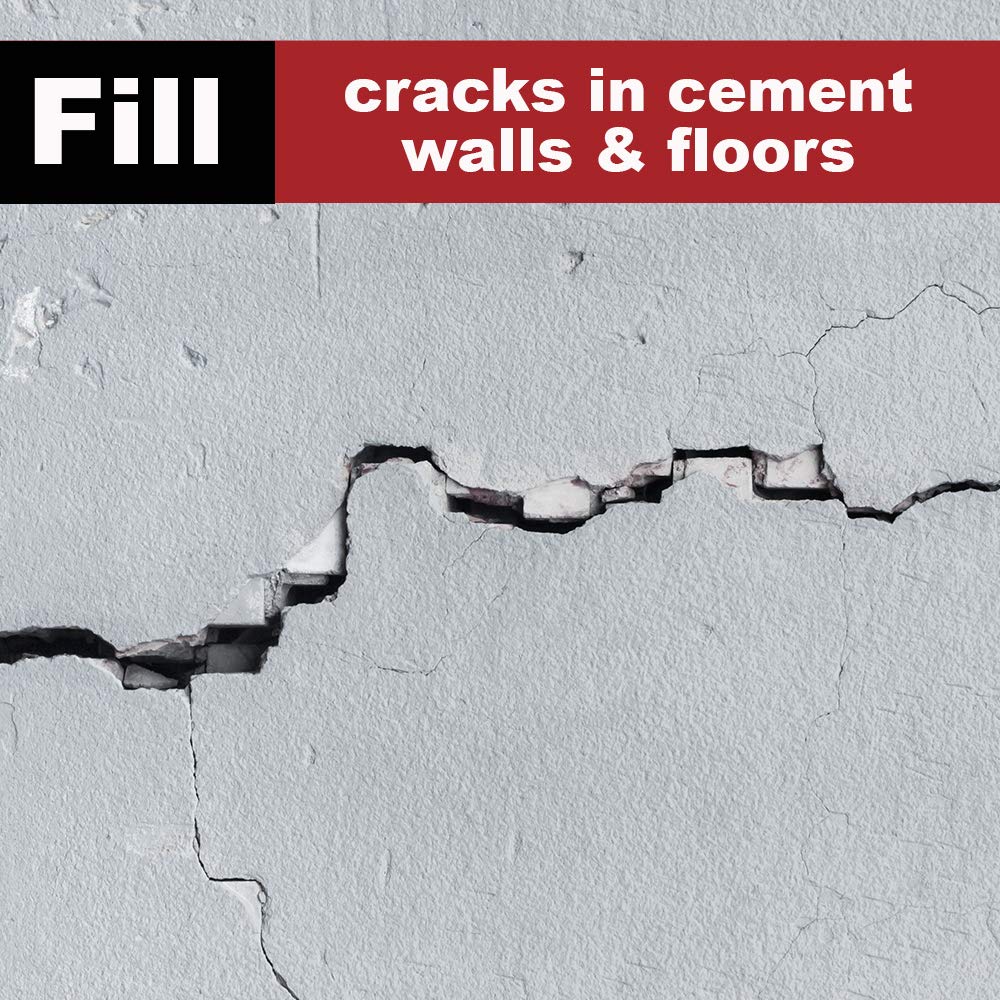
We like to match product features to common jobs. This epoxy works well for anchoring threaded rods and bolts, repairing non-structural cracks, and reinstating anchors in concrete or grout-filled block where a more permanent repair is required than caulk or hydraulic cement can provide.
Anchoring Threaded Rods, Bolts, and Rebar Dowels
We use PC-Concrete to set anchors where we need a permanent bond, such as installing handrails, machinery plates, or structural connections. We remind ourselves that correct hole cleaning and proper embedment depth are essential to develop expected load capacity.
Concrete Crack Filling and Repair
We often reach for this epoxy when cracks are hairline to moderate and where the goal is a durable, non-sagging repair that resists moisture infiltration. We highlight that the product outperforms many caulks and hydraulic cements for long-term adhesion and crack retention.
Vertical and Damp Environments
We appreciate the high-tack, moisture-resistant paste because it lets us work on damp or vertical surfaces without the material sagging out of the repair area. We still recommend removing standing water and cleaning the surface as thoroughly as possible to improve adhesion.
Indoor and Outdoor Applications
We value that the epoxy is versatile for both interior and exterior repairs, making it convenient to keep on hand for garage, foundation, patio, or basement projects. We remind ourselves that ventilation and solvent-free practices are still important indoors to avoid excessive fumes during application.
How to Use
We prefer to follow a clear, step-by-step method rather than improvising. Using PC-Concrete correctly means preparing the substrate, dispensing the material properly, tooling where necessary, and allowing appropriate cure time before loading anchors.
Surface Preparation
We emphasize that surface cleaning is the single most important step for successful adhesion; surfaces should be free of dust, loose material, oil, grease, and any contaminants. We typically use wire brushing, compressed air, and solvent wiping or water washing depending on the contaminant and substrate condition.
Hole Preparation for Anchoring
We suggest drilling to the specified diameter and depth for the anchor, then cleaning the hole using a brush and compressed air or vacuum to remove drilling dust. We make sure to follow any engineering or manufacturer recommendations for embedment depth and hole tolerance.
Dispensing the Epoxy
We advise installing the two-part cartridge into a compatible 18:1 (or stronger) thrust-ratio gun, cutting the nozzle to the appropriate flow, and dispensing a short bead to ensure even color and mixing before applying. We recommend dispensing slowly and filling the hole from the bottom up for anchors, and filling cracks or voids evenly to avoid air pockets.
Tooling and Finishing
We like to tool the surface with a trowel or spatula while the paste is still workable to achieve a smooth finish and to force the material into voids. We caution against overworking the paste, which can incorporate air, and we suggest wiping tools with solvent before the epoxy cures for easier cleanup.
Curing and Load Considerations
We remind ourselves to allow the specified cure time—typically about 4 hours at 75°F—before applying load to anchors or subjecting repairs to heavy traffic. We recommend extending cure time in colder conditions and considering a full 24 hours for heavy loads or where safety is critical.
Compatibility & Standards
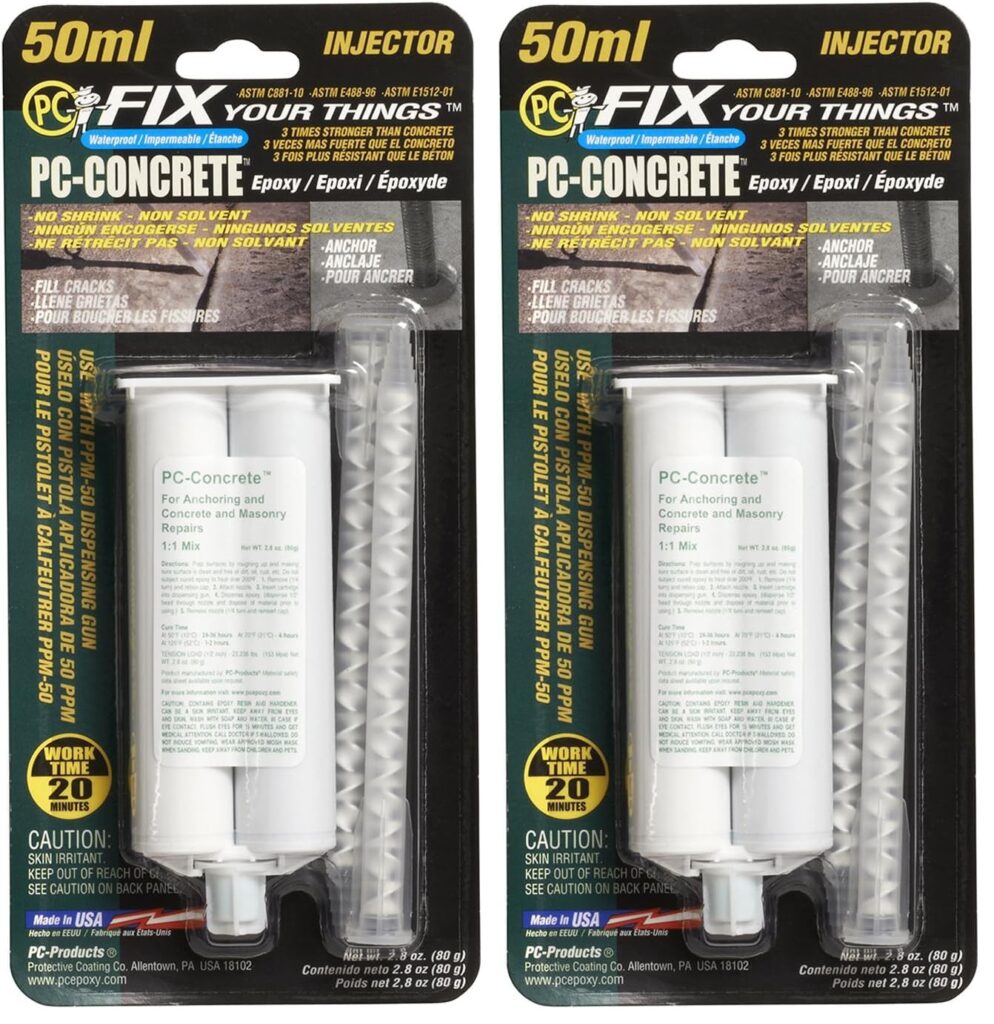
We prefer products that comply with recognized standards and that fit into established practices on job sites. PC-Concrete’s compliance with ASTM C881-99 and its specified dispensing requirements indicate a professional-grade formulation.
ASTM C881-99 Compliance
We note that meeting ASTM C881-99 signals that the epoxy adheres to standard performance expectations for bonding and durability in concrete repair and anchoring. We recommend checking the specific clause and any performance class applicable to the project if requirements are strict.
Tooling & Accessory Compatibility
We confirm that the product is compatible with standard static mixer nozzles and 8.6 oz cartridges, provided the dispensing gun meets the minimum thrust ratio. We suggest stocking spare static mixers and the appropriate drill brushes for hole cleaning to speed up multiple installations.
Pros and Cons
We weigh practical advantages and limitations so we can make informed decisions for different scenarios. We find the product offers reliability and convenience for many jobs, but it is not an all-purpose fix and requires proper technique and tools.
Pros
We appreciate the paste’s strong adhesion, moisture resistance, vertical use capability, and relatively quick cure time for many jobs. We also value the product’s compliance with ASTM standards and its suitability for both indoor and outdoor applications.
- High tack, so it stays in place on vertical surfaces.
- Good moisture resistance, allowing application in damp conditions.
- Two-part epoxy chemistry for durable bonds.
- Acceptable work and cure times for efficient jobsite use.
- Conforms to ASTM C881-99.
Cons
We recognize that the cartridge size is limited for large projects and that proper dispensing equipment is required to apply the paste correctly. We also point out that cold temperatures reduce workability and extend cure times, and that epoxy removal after cure can be difficult.
- 8.6 oz cartridge may require many units for larger jobs.
- Requires a gun with at least 18:1 thrust ratio.
- Longer cure times in cold temperatures.
- Hardened epoxy is difficult to remove and requires mechanical methods.
- Not a replacement for structural design practices; follow engineer specifications for critical anchors.
Storage, Shelf Life & Safety
We treat shelf life and safety as important parts of product planning and jobsite management. Proper storage extends usability, and safety measures protect our crew during handling and application.
Storage and Shelf Life
We store cartridges in a cool, dry place away from direct sunlight and sources of heat to maintain working properties. We recommend checking the manufacturer’s recommended shelf life and labeling cartridges with purchase dates to rotate stock.
Safety Precautions
We always wear appropriate PPE—gloves, eye protection, and chemical-resistant clothing—when dispensing and tooling epoxy pastes. We also ensure adequate ventilation for indoor work, avoid skin contact, and keep cured epoxy debris out of drains.
Tips & Best Practices
We like to share practical tips that save time and improve outcomes on the job. Our small tricks come from repeated use and help avoid common pitfalls that can compromise adhesion or finish.
For Best Adhesion
We stress the importance of mechanical cleaning of the substrate—wire brushing and compressed air to remove dust and loose particles. We also recommend using a solvent wipe where grease or oil is present, and ensuring the surface is dry or only slightly damp without standing water.
For Cold Weather Applications
We advise storing cartridges at room temperature before use if we expect to work in colder environments; warming the cartridge slightly improves flow and mixing. We also recommend preheating the substrate if possible and allowing extra cure time before loading anchors when temperatures are near the lower application limit.
For Vertical Repairs
We suggest applying the paste from the bottom up and tooling immediately to compact the material and eliminate voids. We find that using a slightly overfilled bead and then tooling back to a smooth finish gives the best visual results and full contact with the substrate.
Estimating Quantity
We calculate required volume by measuring anchor hole diameters and depths or crack widths and lengths, then converting to cubic inches and matching to the cartridge yield. We keep extra cartridges on hand to avoid stopping mid-job for an unexpectedly high consumption rate.
Troubleshooting Common Issues
We expect that problems can occur on site, and we prefer to anticipate them with practical solutions. Addressing mixing, adhesion, or dispensing issues quickly keeps the project on schedule.
Poor Adhesion
If adhesion is poor, we suspect inadequate surface cleaning or the presence of contaminants like oil or efflorescence. We recommend re-preparing the surface by mechanical cleaning and solvent wiping if necessary, then reapplying after the substrate is properly dry.
Incomplete Mixing
If color inconsistency or unmixed pockets appear, we stop and purge a small amount to ensure the static mixer is fully engaged and delivering both components evenly. We keep spare static mixers and always check the initial bead for uniform color before applying inside holes or cracks.
Sagging on Vertical Surfaces
If the paste sags, we check ambient temperature and paste viscosity—in warm conditions the paste can become more flowable, and in cold conditions it can stiffen. We suggest applying in smaller increments and tooling quickly, and ensuring the surface is sufficiently rough to provide mechanical bite.
Frequently Asked Questions
We get a lot of practical questions when we recommend products like this, so we provide straightforward answers for common concerns. These FAQs reflect typical jobsite scenarios and help reduce surprises during application.
Q: Can we use this product in wet holes? A: The paste is moisture-resistant and can be used in damp conditions, but we avoid standing water and prefer that holes be free of continuous flow. We also recommend cleaning and preparing the hole so that the epoxy can make direct contact with the substrate.
Q: Is this product suitable for structural anchors? A: We treat the PC-Concrete epoxy as suitable for anchoring in many structural and non-structural applications, but always confirm with an engineer for critical load-bearing anchors. We also recommend using anchors and installation methods that meet applicable codes and project specifications.
Q: How many anchors can we set with one 8.6 oz cartridge? A: The number depends on hole diameter and depth; for example, a single 1/2″ dia. x 4″ deep anchor hole uses only a small fraction of a cartridge, while larger holes will consume more. We recommend calculating volume per hole and comparing to cartridge volume to estimate total cartridges required.
Q: Can we paint over repaired cracks? A: Once fully cured, the epoxy can often be painted, but we suggest confirming paint compatibility and using an appropriate primer if needed. We also recommend ensuring the surface is clean and sanded lightly for better paint adhesion.
Q: How do we remove cured epoxy? A: Cured two-part epoxy is very durable and typically requires mechanical methods—such as grinding or chipping—for removal. We recommend avoiding excessive contact with solvents after cure, as they are usually ineffective at breaking down the crosslinked chemistry.
Comparing Alternatives
We like to compare products so we can choose the best tool for each job. PC-Concrete stands between simple caulks and heavy-duty structural adhesives in terms of capability and ease of use.
Compared to Hydraulic Cement
We prefer PC-Concrete for adhesion and long-term durability in many crack and anchoring situations compared with hydraulic cement, which can shrink and may not adhere as tenaciously to concrete substrates. Hydraulic cement sets rapidly and can be useful for stopping active water leaks, but it does not provide the same bond strength for anchors.
Compared to Single-Part Epoxy or Polymeric Caulk
We favor two-part epoxy for anchoring and permanent repairs because it creates a stronger, more resilient bond than single-part products. Single-part epoxies or polymeric caulks can be easier to use but often lack the same mechanical properties and temperature/service range.
Real-World Use Examples
We like to illustrate product use with specific examples so we can picture it in action. These examples show how we might apply the epoxy in typical scenarios.
Installing a New Handrail Post
We would drill the correct diameter and depth, clean the hole thoroughly with a brush and compressed air, and dispense PC-Concrete from the bottom up to avoid trapped air. We would set the threaded rod or anchor, ensure alignment within the 20-minute working window, and allow the recommended cure time before applying any load.
Repairing Hairline Foundation Cracks
We would prepare the crack by routing to remove loose material, clean with compressed air, and then fill from the deepest point outward to ensure full contact. We would tool the surface for a smooth finish and allow the epoxy to cure before considering sealing or painting.
Re-anchoring Machinery Bolts
We would verify hole size and bolt specification, clean the hole meticulously, and use the epoxy to bond the anchor to the substrate. We would follow prescribed embedment depths and load ratings, and extend cure time as needed for higher loads.
Final Verdict
We believe PC Products 72561 PC-Concrete Two-Part Epoxy Adhesive Paste for Anchoring and Crack Repair, 8.6 oz Cartridge, Gray is a dependable, professional-grade choice for anchoring and many concrete repair tasks. We recommend it when you need a durable, moisture-resistant bond and are prepared to follow proper surface preparation, dispensing, and curing practices to achieve consistent results.
We encourage readers to consider the scale of their project, confirm any structural requirements with an engineer, and select the right tools—like an 18:1 thrust-ratio gun and static mixer nozzles—before starting work. When used correctly, this epoxy paste can save time, improve the longevity of repairs, and provide the confidence that anchors and crack repairs will hold up over time.

Disclosure: As an Amazon Associate, I earn from qualifying purchases.