
Welding Tips

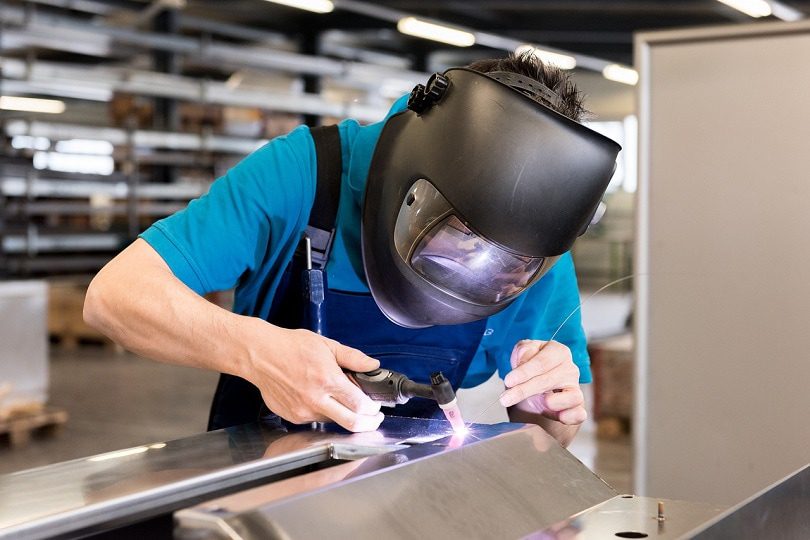
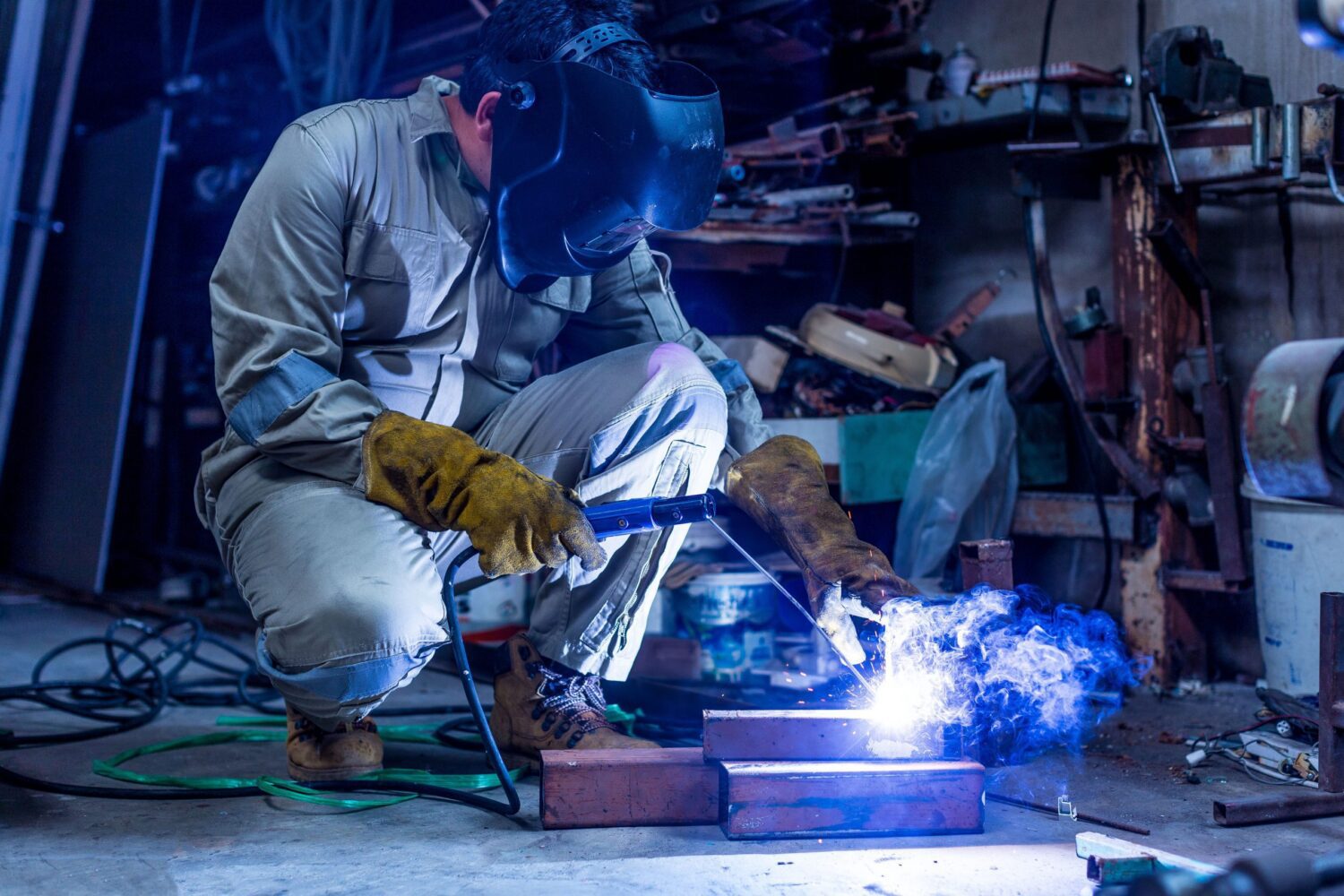
Nothing beats good training, excellent welding equipment, and constant practice when starting MIG welding. But you can also add a few professional MIG welding tips and tricks into the mix.

Stick Welding Tips & Tricks for Beginners 

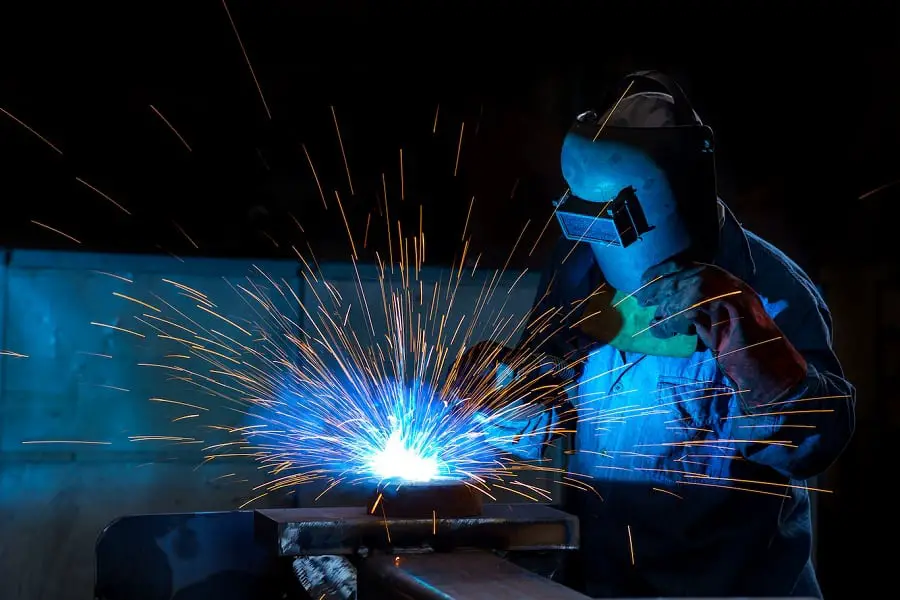
Welding can be a challenging skill to master, but with the proper techniques and precautions, you can achieve solid and clean welds. Here are some tips to help you improve your welding skills:

Safety First: Always prioritize safety. Wear appropriate personal protective equipment (PPE), such as welding gloves, a welding helmet with the proper shade lens, flame-resistant clothing, and steel-toed boots. Make sure your workspace is well-ventilated to avoid inhaling fumes.
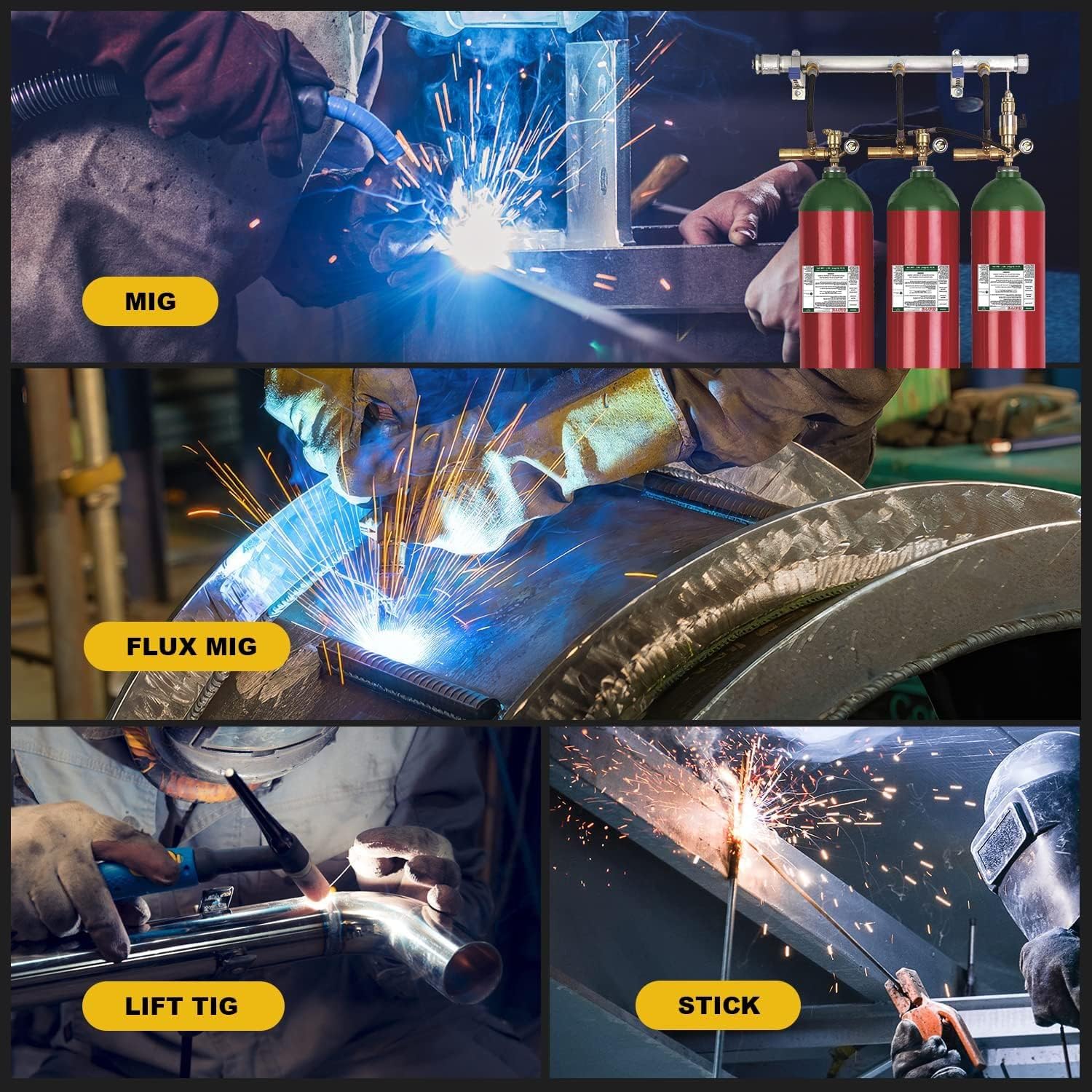
Choose the Right Welding Process: There are various welding processes like MIG (Metal Inert Gas), TIG (Tungsten Inert Gas), Stick welding, and more. Choose the process suitable for the material you’re working with and the type of joint you need to create.
Clean Surfaces: Before welding, ensure the surfaces you’re joining are clean and free from rust, paint, oil, and other contaminants. Proper cleaning ensures a stronger and more consistent weld.
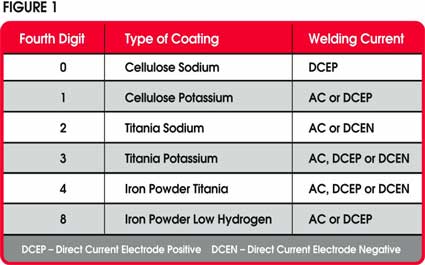
Correct Electrode/Wire and Polarity: If your process requires electrodes or wire, ensure you use the correct type for the welding material. Also, consider the correct polarity settings for your specific welding machine.
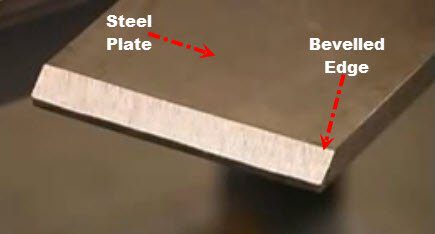
Good Fit-Up: Proper joint preparation and fit-up are essential for successful welding. Make sure the parts you’re welding are correctly aligned and have the correct gap (if needed) for your welding process.
Practice Proper Welding Techniques: Maintain a steady hand and move at a consistent pace. Avoid holding the electrode or torch too close or far from the workpiece. Experiment with different angles and travel speeds to find what works best for your application.
Controlled Heat Input: To avoid overheating the workpiece, which can lead to warping, distortion, or even burn-through, you can control the heat input by adjusting voltage, current, wire speed, or electrode amperage.
Tack Welding: Use tack welds to hold your workpieces in place before making the final welds. This helps prevent movement and misalignment during welding.
Welding Position: Different welding positions (flat, horizontal, vertical, overhead) require adjustments in technique and settings—practice in various positions to develop your skills.
Peening and Cleaning: Consider using a peening technique after welding. For certain types of welding, peening involves tapping the weld while it’s hot to relieve stress and improve strength. Additionally, clean the weld area of slag and spatter to ensure a neat appearance and optimal strength.
Quality Inspection: Regularly inspect your welds for cracks, porosity, or incomplete fusion defects. If you find any issues, address them before proceeding.
Keep Learning: Welding is a skill that takes time to master. Continuously learn from experienced welders, online resources, and tutorials. Don’t be afraid to ask for advice and seek feedback on your work.

Remember that practice is vital to becoming proficient at welding. Over time, you’ll better understand the best techniques for you and the materials you’re working with. Always prioritize safety and take your time to produce quality welds.

what industries use welding the most 1

What Industries Use Welding The Most?

0
Discover the industries that heavily rely on welding for their operations. From construction and manufacturing to automotive and aerospace, find out where welding is most crucial.
how can i prevent weld distortion

How Can I Prevent Weld Distortion?

0
Learn how to prevent weld distortion! Discover helpful tips and techniques to ensure flawlessly welded joints every time. Don't miss out!
how do i get rid of welding fumes in my workspace 4

How Do I Get Rid Of Welding Fumes In My Workspace?

0
Learn how to effectively eliminate welding fumes in your workspace. Understand the health risks, ventilation needs, and proper use of LEV systems and PPE. Implement strategies to minimize fume generation and ensure proper handling of hazardous materials. Maintain good housekeeping practices and provide adequate training for a healthier work environment.
what is the purpose of a welding positioner

What Is The Purpose Of A Welding Positioner?

0
Learn about the purpose of a welding positioner and how it enhances welding efficiency, ensures weld quality, increases operator safety, and facilitates access.
why do i need welding gloves 4

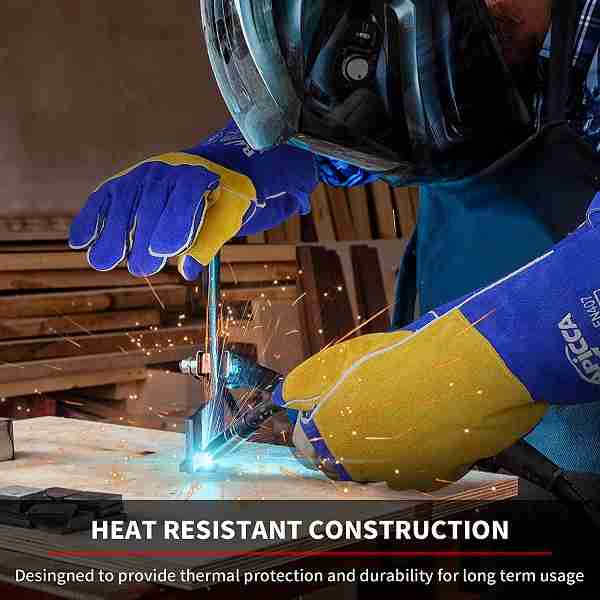
Why Do I Need Welding Gloves?

0
Discover the importance of welding gloves in this informational post. Learn how they shield your hands from heat, sparks, and burns in welding operations. Don't neglect this vital safety gear!
what are the differences between gas welding and electric welding tools

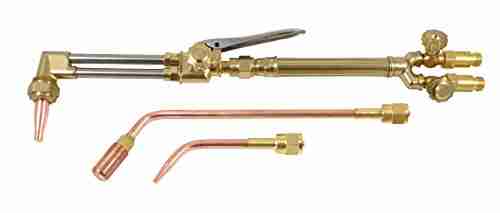
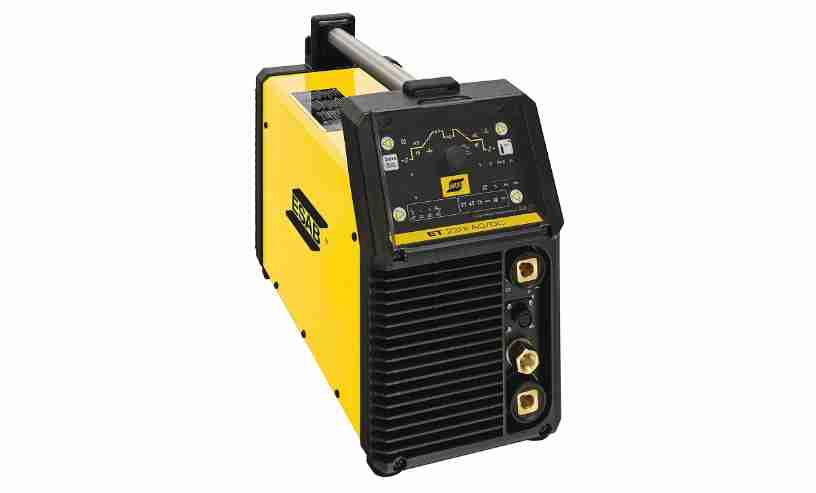
What Are The Differences Between Gas Welding And Electric Welding Tools?

0
Discover the differences between gas welding and electric welding tools. Explore their heat sources, fuel types, heat control, portability, and more.
how do you test welds for defects 1

How Do You Test Welds For Defects?

0
Learn how to test welds for defects with various inspection methods, including visual, dye penetrant, magnetic particle, ultrasonic, radiographic, and eddy current testing. Ensure the quality and integrity of your welds for safe and durable projects.
how do you weld thick metals 5

How Do You Weld Thick Metals?

0
Learn the techniques, equipment, and precautions for welding thick metals. Enhance your skills and gain confidence to tackle any welding project effectively.
what safety precautions should i take when working with galvanized metal 2

What Safety Precautions Should I Take When Working With Galvanized Metal?

0
Discover the safety precautions you should take when working with galvanized metal! Learn about PPE, hazards, chemical exposure, hygiene practices, and more.
what are the pros and cons of being a welder 4

What Are The Pros And Cons Of Being A Welder?

0
Considering a career in welding? Learn the pros and cons of being a welder, from job security and income potential to physical demands and health risks.
Heather Cooke
10 POSTS0 COMMENTS
Jason Griffin
546 POSTS0 COMMENTS
Rick Tillman
176 POSTS0 COMMENTS

Last Posts