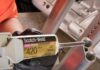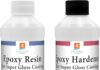

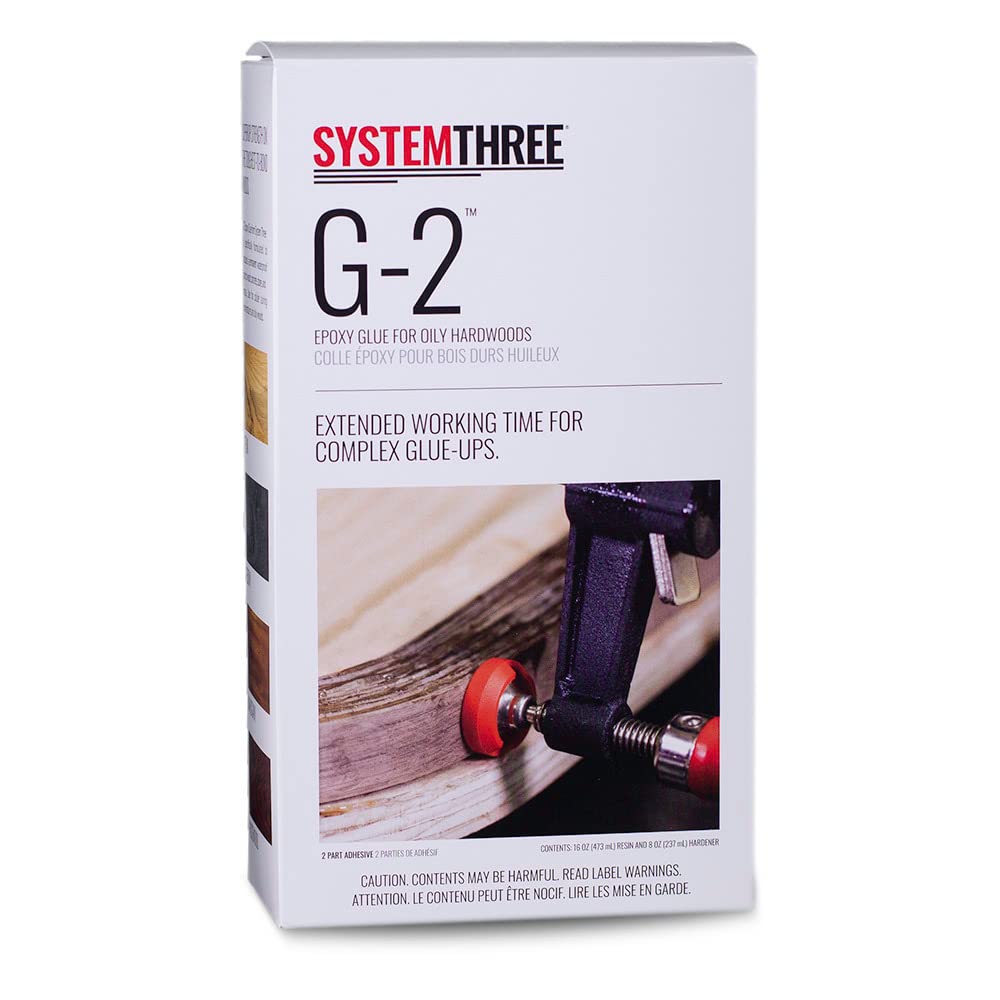
Have we found the right epoxy adhesive for your next woodworking project?
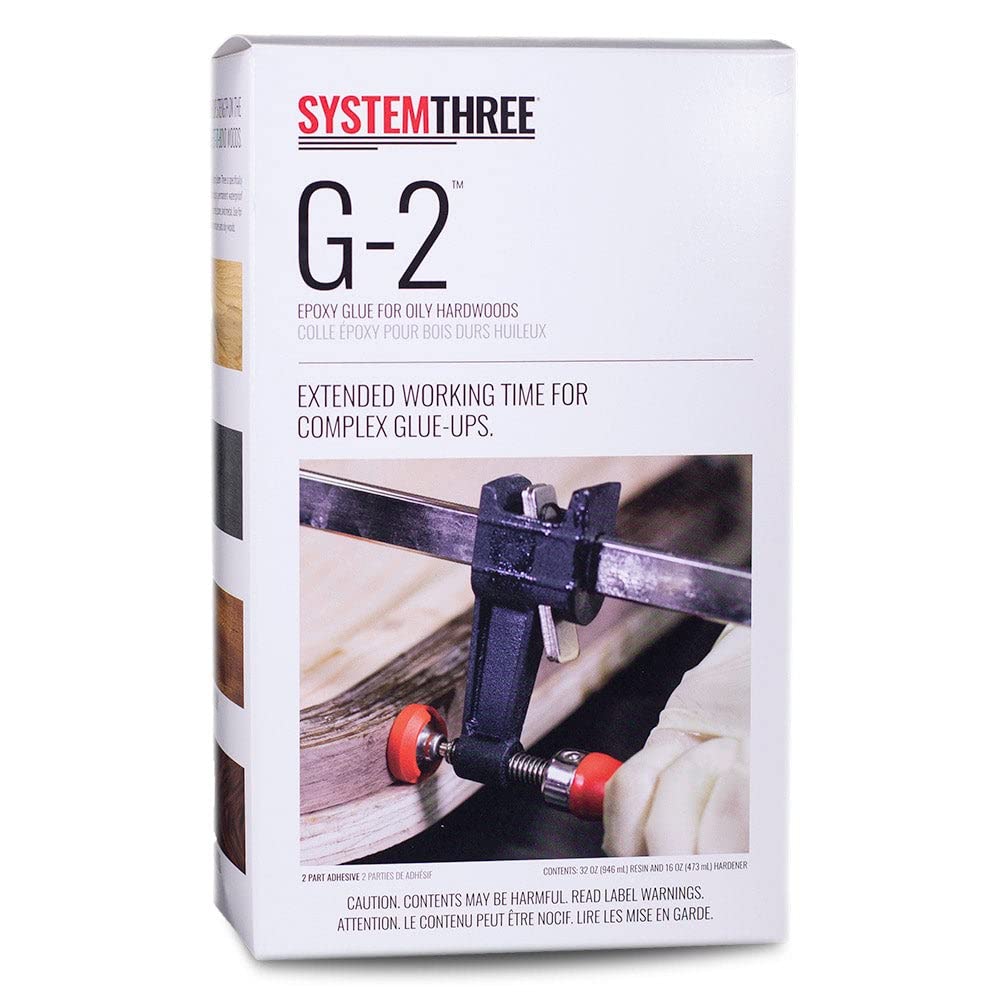

Product Overview: System Three G-2 Epoxy Adhesive, 12 Ounce Kit
We think the System Three G-2 Epoxy Adhesive, 12 Ounce Kit is designed with woodworking in mind, and it shows in the formulation and recommended uses. G-2 is positioned as a high-performance, waterproof epoxy that handles both softwoods and hardwoods, and it claims to manage oily, tropical species that often give other adhesives trouble. We like that the kit size—12 ounces—is convenient for bench repairs, small furniture projects, and touch-up work without being wasteful.

Key Features
We find it helpful to list the standout attributes so we can compare them to our project needs at a glance. These features summarize why G-2 can be a go-to choice when we need a strong, waterproof bond with a reasonable working time.
- High-performance, waterproof epoxy adhesive
- Suitable for softwoods, hardwoods, and oily tropical woods
- 2:1 mix ratio (Resin:Hardener)
- Long working time: approximately 1.5 hours
- Cures to clear, amber appearance
- Good initial properties within 16–20 hours at 70°F; full stress-free cure recommended at 72 hours
- Solvent-free formula

Specifications
We appreciate seeing the technical specs laid out clearly so we can evaluate fit for purpose. Below is a concise breakdown of the most relevant facts about the product and handling characteristics.
| Specification | Details |
|---|---|
| Product Name | System Three G-2 Epoxy Adhesive, 12 Ounce Kit |
| Kit Size | 12 ounces (combined) |
| Mix Ratio | 2 parts Resin : 1 part Hardener |
| Working Time / Pot Life | Approximately 1.5 hours (at room temp, small batches may be longer) |
| Initial Curing | Develops good properties within 16–20 hours at 70°F |
| Full Strength | Avoid stressing joint for at least 72 hours |
| Appearance After Cure | Clear, amber |
| Waterproof | Yes |
| Solvent Content | Solvent-free |
| Best Uses | Interior and exterior joinery, furniture, repairs, tropical/oily woods |
| Cleanup | Fresh squeeze-out: lacquer thinner or denatured alcohol; cured: paint stripper or mechanical removal |
| Temperature Sensitivity | Warmer temps shorten pot life; colder temps lengthen pot life |
Performance and Bond Strength
We expect an epoxy like G-2 to deliver robust bonds across a wide range of wood species, and the product claims align with that expectation. Based on the formulation and intended use, G-2 should provide strong adhesive strength for edge joints, laminations, dowel and mortise repairs, and general joinery, especially where waterproofing is a factor.
We should note that while many epoxies tout high structural strength, the actual performance will depend on our substrate preparation, clamping pressure, bond line thickness, and correct mixing. In practice, when we prepare surfaces properly and follow the suggested curing and clamping windows, we can rely on consistent results.
Performance on Oily and Tropical Woods
We appreciate that G-2 explicitly mentions good performance with oily tropical woods, which are famously difficult to bond. That suggests the adhesive has good wetting properties and tolerance for minor surface oils, though we still recommend light cleaning or solvent wiping of very oily surfaces.
We will still prep tropical woods by cleaning with a suitable solvent and abrading the bonding area to ensure maximum contact and mechanical interlock. This extra step usually eliminates most of the adhesion problems that oil-transfer can cause.
Waterproof and Exterior Use
We value the waterproof claim, which opens up exterior applications and areas exposed to moisture. G-2 being solvent-free and waterproof means we can use it for small exterior projects and marine-adjacent applications, provided we consider UV protection and the substrate’s exposure conditions.
We must remember that while epoxy is waterproof, it can amber and possibly degrade with prolonged UV exposure, so finishing with a UV-resistant topcoat is recommended for exterior use to protect the adhesive line and the surrounding wood.
Working Time and Pot Life
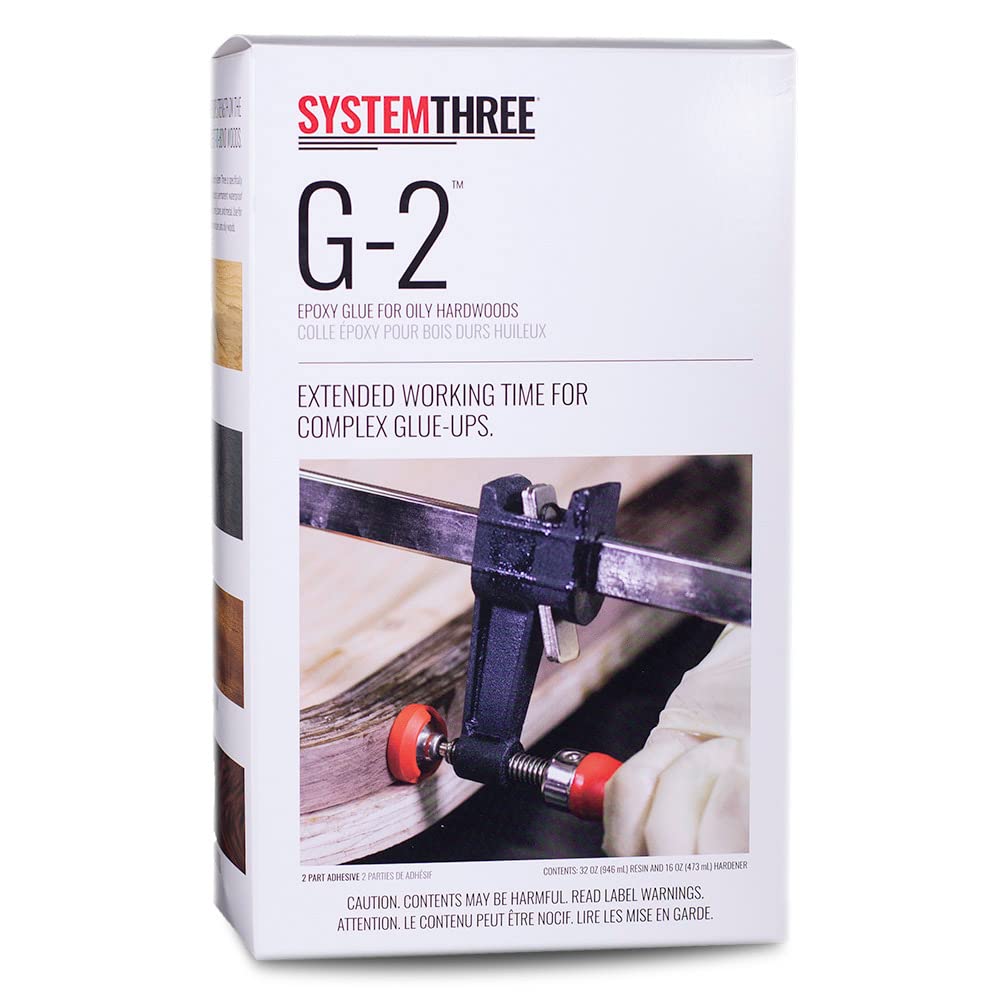
We like the 1.5-hour working time because it strikes a balance between enough time to assemble complex joints and not waiting forever for the adhesive to set. With a 2:1 mix ratio, we can measure by volume or weight conveniently, and that working window helps for multi-part assemblies or inlay work.
We should control batch size: small batches have a longer pot life than larger ones, so we’ll mix only what we need for a given session. Temperature also plays a significant role: warmer conditions accelerate the cure, shortening pot life, while colder conditions extend it. That means we should plan our mixing and assembly to match shop temperature.
Tips for Managing Pot Life
We recommend that we pre-measure components and assemble clamps and hardware before mixing to reduce wasted pot life. If the workshop is warm, we should work in smaller batches or cool the resin/hardener slightly (but not below storage recommendations) to lengthen working time. Conversely, if it’s cold, we may wish to warm the parts slightly to ensure adequate flow and cure.
Curing Behavior and Appearance
We like that G-2 cures to a clear, amber appearance, which is generally pleasing beneath finishes and in visible joints. The timeframe—good properties within 16–20 hours at 70°F and avoiding joint stress for at least 72 hours—gives us a predictable schedule for project progression.
We should clamp during the critical initial cure period to maintain joint alignment and pressure, and we should avoid subjecting the assembly to mechanical loads or severe temperature changes until the full stress-free cure window has passed.
Effect of Temperature on Cure
We should be mindful that curing is temperature-dependent. At 70°F, the 16–20 hour window is a reasonable benchmark; at lower temperatures, cure can take significantly longer, and at higher temperatures it will accelerate. Therefore, we’ll plan our schedule around ambient conditions and consider using gentle heat during cure only if the manufacturer’s guidance allows.
Mixing and Application
We recommend careful measuring and thorough mixing because epoxies are unforgiving of ratio errors. The stated 2:1 Resin:Hardener ratio must be respected to achieve proper polymerization and final properties. We advise measuring by volume or weight consistently and mixing until the color is uniform.
We also suggest mixing tools and containers that are clean and dry; contamination from moisture, oil, or previously cured epoxy can interfere with cure. Mixing in a separate disposable cup and transferring to the workpiece quickly will help us maximize working time.
Measuring and Proportioning
We should measure precisely: 2 parts Resin to 1 part Hardener. Using graduated syringes, measuring cups, or digital scales simplifies accuracy, and when we measure consistently we avoid tacky, undercured joints or brittle overcured mixtures.
We usually recommend doing a test batch if we are unsure about our measuring methods—mix a small quantity and let it cure to verify that the mix ratio and techniques produce a proper cure.
Mixing Technique
We advise scraping the sides and bottom of the mixing cup while folding the components together to ensure no unmixed pockets remain. We should mix slowly to minimize air entrapment but thoroughly enough to create a uniform color and consistency.
If air bubbles are introduced, we can let the cup sit briefly at room temperature and pop surface bubbles with a stirring stick or a gentle hot air stream, being careful not to overheat the epoxy or the workpiece.
Tools and Adhesive Thickness
We prefer to use disposable mixing paddles, plastic spreaders, or syringes for controlled application. Epoxies like G-2 can fill gaps well, but very thick bond lines will generate heat during cure and can lead to exotherm-related issues; it’s best to avoid excessive thick pours unless we plan accordingly.
Clamping and Stressing Guidelines
We suggest clamping during the cure period to maintain alignment and contact, as the manufacturer recommends. Proper clamp pressure helps squeeze out excess adhesive and ensures intimate contact between mating surfaces, improving mechanical interlock once cured.
We will avoid stressing the joint for at least 72 hours from initial assembly, as the adhesive needs that time to achieve its full strength and thermal/chemical stability. Treat the bond gently during this period and avoid impacts or heavy loads.
Cleanup and Finishing
We like that fresh squeeze-out cleans up with lacquer thinner or denatured alcohol; this makes cleanup straightforward if we act quickly. If the adhesive has cured, we’ll need to resort to paint stripper for chemical removal or mechanical methods like scraping, sanding, or trimming once the epoxy becomes semi-hard.
We recommend containing squeeze-out with masking tape or using sacrificial cauls to make cleanup easier, and keeping cleanup solvents and tools at hand during assembly for efficient work.
Sanding and Staining
We find epoxies are generally sandable and can be smoothed to blend with wood surfaces, but they do not take stain the same way wood does. If our goal is a uniform stained appearance, we should test stain compatibility and consider sealing with a dye-based or pigmented stain before final finish to avoid blotchiness.
We should sand the epoxy progressively with finer grits to minimize scratches, and consider using a thin barrier coat of finish to help the topcoat adhere uniformly to both wood and epoxy.
Environmental and Safety Considerations
We acknowledge that G-2 is solvent-free, which reduces certain hazards, but epoxies still involve chemical risks that require respect and safe handling. We should work in a ventilated space, avoid skin contact, and use personal protective equipment as appropriate.
Disposal of leftover mixed epoxy that has not cured should follow local regulations—cured epoxy is inert and can often be disposed of with normal waste, but our local laws may vary. We will also ensure that containers are tightly sealed and stored away from children and pets.
Handling and Personal Protection
We recommend wearing nitrile gloves, eye protection, and long sleeves to prevent skin contact. If we generate dust during sanding of cured epoxy, wearing an N95 or P100 respirator is wise to avoid inhaling particles. If we are sensitive to epoxy fumes or skin contact, consider working outdoors or under strong ventilation and using higher-level respiratory protection.
Storage and Shelf Life
We suggest storing the kit in a cool, dry place out of direct sunlight and avoiding freezing temperatures. Keeping the resin and hardener at stable, moderate temperatures will preserve shelf life; extreme heat can cause degradation and shorten usable life. We will consult product labeling for shelf life specifics but generally use older containers only after confirming they mix and cure correctly by doing a small test.
Common Problems and Troubleshooting
We anticipate a few common issues and recommend solutions to keep projects moving smoothly. Typical problems include incomplete cure (often due to incorrect mix ratio or contamination), tacky surfaces (due to low temperature or insufficient cure time), and bubbles (caused by vigorous mixing or entrapped moisture).
We find it useful to diagnose each problem by considering the variables—temperature, mix ratio, contamination, pot size—and then adjust our technique accordingly. Running a small test batch and controlling shop conditions often prevents many of these issues.
Troubleshooting Table
We like having a quick reference to match problems with likely causes and remedies. Below is a compact guide to help us identify and fix common issues.
| Problem | Likely Cause | Remedy |
|---|---|---|
| Sticky or soft cure | Incorrect mix ratio, cold temps, contamination | Re-check ratios, warm parts to ~70°F, clean surfaces and re-glue if needed |
| White or cloudy surface | Moisture contamination or amine blush | Wipe with alcohol, sand and recoat if necessary |
| Excess bubbles in bond line | Vigorous mixing or trapped moisture | Mix slowly, pre-warm parts slightly, use vacuum/pressure or hot air carefully to pop bubbles |
| Poor adhesion on oily wood | Surface oils present | Solvent wipe, abrade, then reapply; consider test bonding |
| Rapid heat/exotherm | Mixing large volume or thick pour | Mix smaller batches, pour in layers, use cooler shop temps |
Comparison with Alternatives
We often compare adhesives to determine the best fit for our project. G-2 stands out for woodworking because it balances waterproof properties with a workable pot life and tolerance for oily woods. Compared to fast-setting epoxies, it gives more working time; compared to slower, thicker epoxy glues, it offers good flow and gap-filling without being overly runny.
While cyanoacrylate glues are faster for small repairs and PVA glues are convenient and inexpensive for many interior joints, G-2 fills a niche when waterproofing, resistance to tropical wood oils, and a durable bond are priorities. We should choose based on the specific demands of the project—G-2 is especially useful where durability and moisture resistance matter.
Use Cases and Project Ideas
We enjoy thinking through practical applications where G-2 shines so we can put it to work effectively. This adhesive works well for furniture joinery, small laminate repairs, edge gluing for countertops or decorative inlays, dowel and mortise repairs, and even certain marine adjacent tasks where moisture exposure is present.
We also find it handy for inlay work and repairs where clarity and a low yellowing profile are desired; G-2’s clear amber cure can complement many woods, though final finish selection will affect overall appearance.
Carpentry and Joinery
We often use a high-performance epoxy like G-2 for complex joints that need gap-filling strength or for laminations that may be exposed to moisture. It is particularly useful when traditional PVA adhesives would fail due to exposure or when a stronger, more durable bond is required.
We should, however, consider finish compatibility and the final appearance—epoxy lines can be more visible than PVA in some cases, so plan layout and edge treatment accordingly.
Furniture Repair and Restoration
We find G-2 helpful for repairing broken chair legs, reattaching loose veneers, or reinforcing joints that have failed over time. Its ability to wet out oily woods is useful for antique restorations where exotic veneers or hardwoods are present.
We will often use minimal clamping and careful positioning to ensure that repaired pieces remain true, and we’ll avoid heavy stress on the repair until the full cure period has elapsed.
Outdoor Use
We appreciate that G-2 is waterproof, which makes it suitable for certain exterior joinery or installations that see intermittent moisture. For projects that face prolonged sun exposure, we recommend adding a UV-stable topcoat because epoxy can yellow over time when exposed to sunlight.
We will also evaluate expansion/contraction of the wood substrate in outdoor conditions and plan for flexible joints or mechanical fasteners where necessary.
Value and Cost Considerations
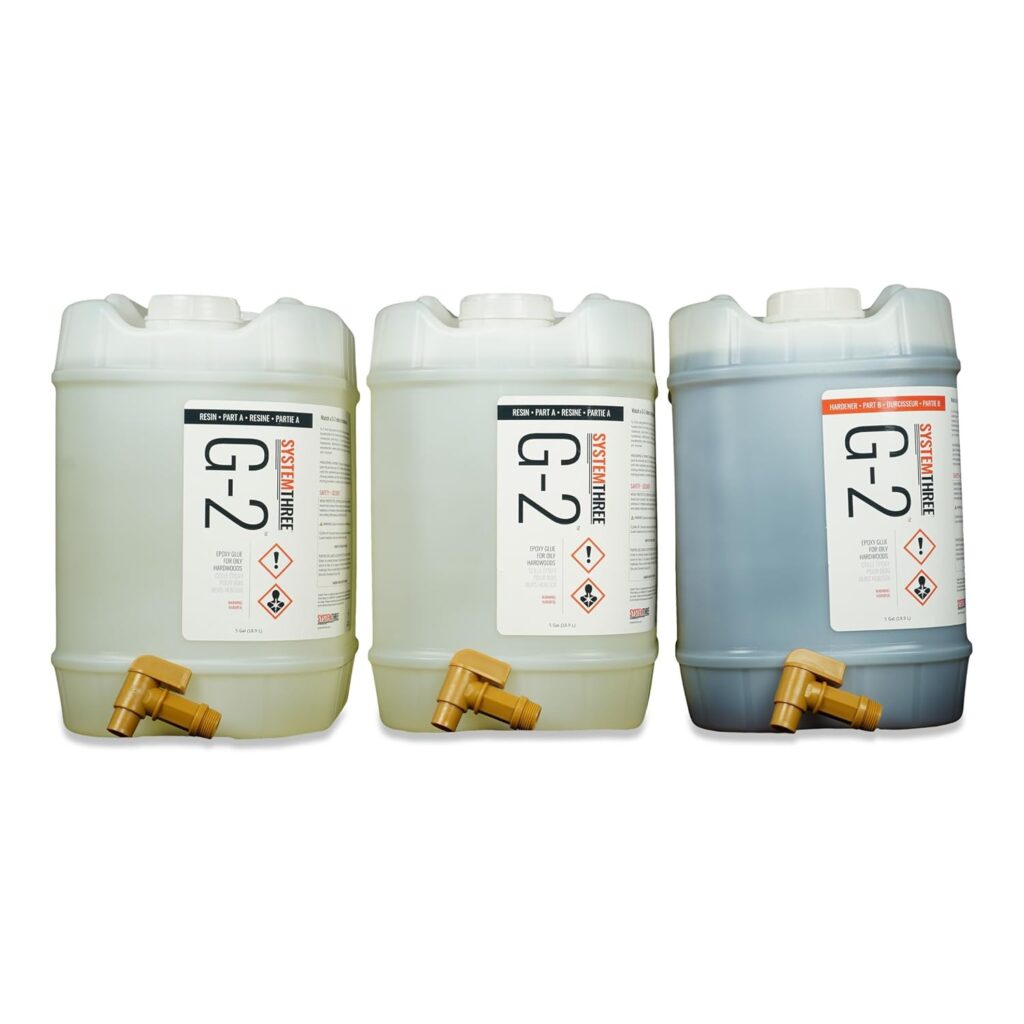
We consider value in terms of performance per dollar and waste management; a 12-ounce kit is typically sufficient for many small to medium projects and minimizes leftover material for hobbyists and small shops. While we may pay a premium over generic adhesives, the performance benefits—waterproofing, tolerance for difficult woods, and a reasonable working time—often justify the price for critical applications.
We recommend calculating the expected adhesive usage for larger projects and possibly purchasing larger sizes if we anticipate heavy use, since purchasing in bulk often lowers per-ounce cost and reduces packaging waste.
Tips and Best Practices
We collect practical tips to make our work easier and more reliable when using G-2. These tips reduce frustration and improve final results across many projects.
- Pre-measure and have clamps ready before mixing to maximize effective working time.
- Use small batches to control pot life and avoid heat buildup.
- Clean mating surfaces thoroughly; for oily woods, wipe with an appropriate solvent and abrade to improve adhesion.
- Tape edges where squeeze-out is likely to occur for easier cleanup.
- Use a slow, thorough mixing technique to reduce entrapped air and ensure uniform cure.
- Monitor ambient temperature and, when possible, work near the manufacturer’s recommended 70°F for best curing behavior.
- Test any finishing combination on a scrap piece with the same wood and epoxy before committing to the final piece.
Frequently Asked Questions (FAQ)
We keep an FAQ handy because common questions come up when we choose an epoxy for woodworking. Below are answers to queries we commonly receive and consider ourselves.
Q: Is the 2:1 ratio by volume or weight? A: The 2:1 ratio can be measured by volume or weight, but using consistent measurement methods (especially weight) tends to give more precise results and reduce cure problems.
Q: Can we use G-2 for structural repairs? A: G-2 is suitable for many structural woodworking repairs where a strong, waterproof bond is required, but for load-bearing structural applications consult structural adhesive specifications and consider engineering requirements.
Q: Will G-2 yellow over time? A: Like many epoxies, G-2 cures to a clear amber which can darken or yellow somewhat with age or UV exposure; applying a UV-resistant topcoat helps preserve appearance over time.
Q: How should we remove cured epoxy from tools? A: Mechanical removal (scraping) is often easiest for cured epoxy; for uncured squeeze-out, lacquer thinner or denatured alcohol usually works. Chemical paint strippers can remove cured material but should be used following safety guidelines.
Q: Can we use G-2 for laminating large panels? A: G-2 can laminate panels, but because large volumes generate heat during cure, we recommend laminating in thin layers or ensuring adequate heat dissipation to avoid exotherm issues.
Troubleshooting Deep Dive
We like going a little deeper into troubleshooting because small mistakes can delay a project. If cure is incomplete, re-examine mixing accuracy, check temperature, and ensure no contamination. If adhesives are brittle or cure too hard, we may have overcured due to heat or incorrect hardener; if tacky, it often points to an under-mix or low temperature.
We recommend documenting each repair or project with notes on ambient conditions and mix proportions to build a reference that helps avoid repeating issues. Small-scale test cures under the same conditions as our project are often the fastest way to verify that everything will behave as expected.
Storage, Shelf Life, and Aging
We manage our supplies by rotating stock and noting manufacture dates. Resin and hardener shelf lives vary, but keeping them sealed and at consistent moderate temperatures extends usability. If we suspect a batch has aged, we’ll perform a small test mix and cure to verify performance before using it on an important workpiece.
We also keep kits off concrete floors and direct sunlight, and away from humidity fluctuations, which helps reduce the chance of premature degradation or moisture uptake.
Environmental Impact and Disposal
We care about responsible usage and disposal. Uncured resin/hardener must be handled as hazardous material according to local regulations, while cured epoxy is generally inert and can be disposed of with normal waste where regulations allow. We minimize waste by mixing only what we need and curing small leftover portions so they can be disposed of safely.
We also recommend recycling packaging where facilities exist and consulting the product’s safety data sheet for specific disposal instructions in our region.
Alternatives and When to Choose Them
We think about alternatives: PVA (white) glues are great for simple interior joints when moisture resistance isn’t critical; polyurethane glues (e.g., Gorilla glue types) expand and bond porous materials but require moisture and cleanup can be messy; fast-setting epoxies or CA adhesives are excellent for quick repairs.
We choose G-2 when waterproofing, good working time, and performance on oily/tropical woods are priorities. For purely cosmetic surface fills or quick fixes, other products might be more convenient, but they may not match G-2’s durability.
Final Verdict
We find System Three G-2 Epoxy Adhesive, 12 Ounce Kit to be a reliable, well-balanced epoxy for woodworking applications that require waterproof, durable bonds with a manageable working time. Its 2:1 mix ratio and tolerance for oily woods make it particularly useful for furniture repair, joinery, and small exterior tasks, and the 12-ounce size is practical for many workshop users.
We recommend it for hobbyists, professional woodworkers, and anyone repairing or building items where moisture resistance and reliable adhesion across challenging woods are important. With proper measuring, mixing, and curing practices, we expect consistent, high-quality results.
Closing Tips for Best Results
We’ll end with practical reminders that help ensure success when using G-2: measure precisely, mix thoroughly, manage batch size and temperature, clamp during cure, and protect finished pieces from UV if they’ll be outdoors. With these habits, we can rely on G-2 to deliver strong, waterproof bonds and smooth workflow for many woodworking tasks.

Disclosure: As an Amazon Associate, I earn from qualifying purchases.