
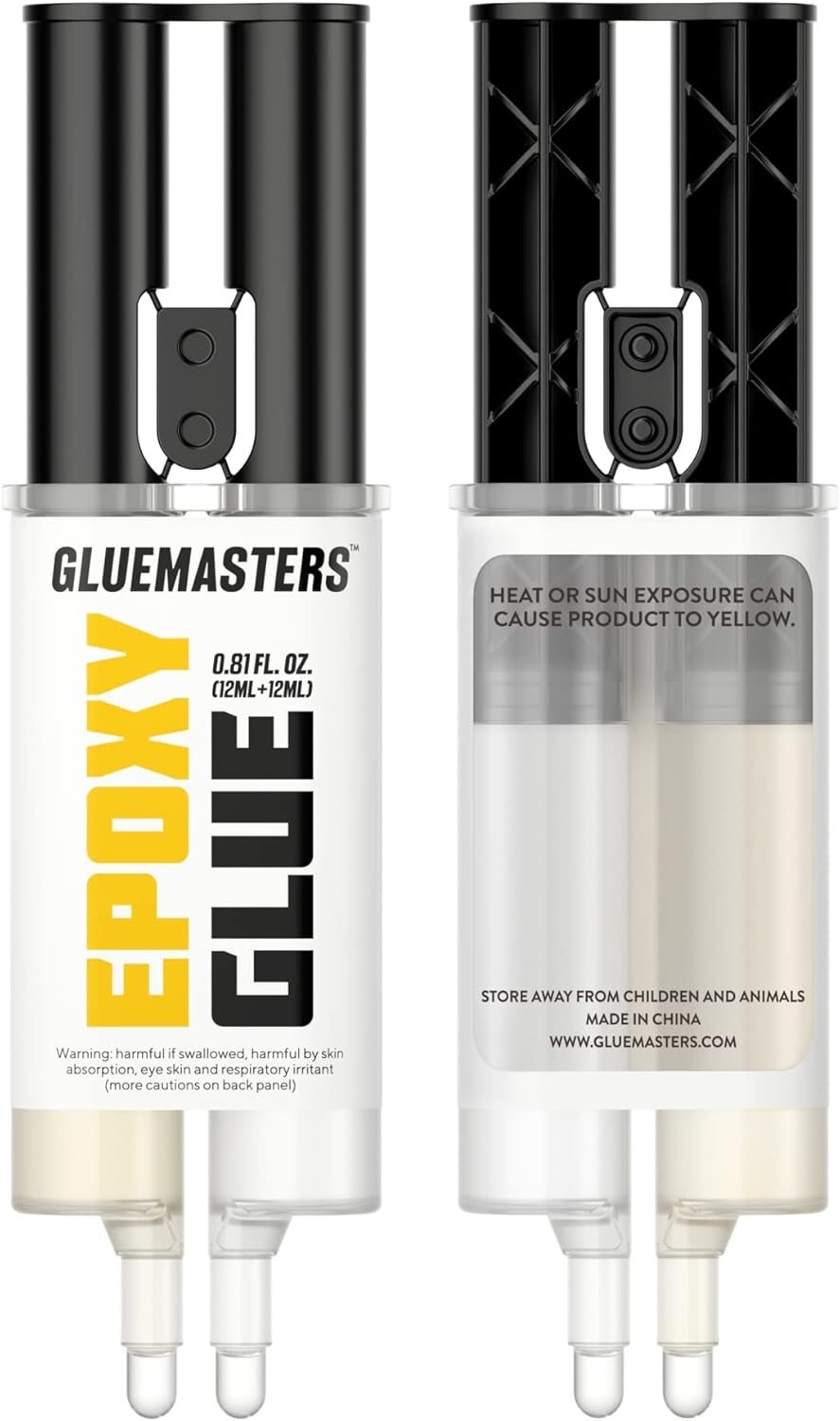
Looking for a fast-setting clear epoxy that bonds metal, glass, plastic, wood, and more with a minimal wait?
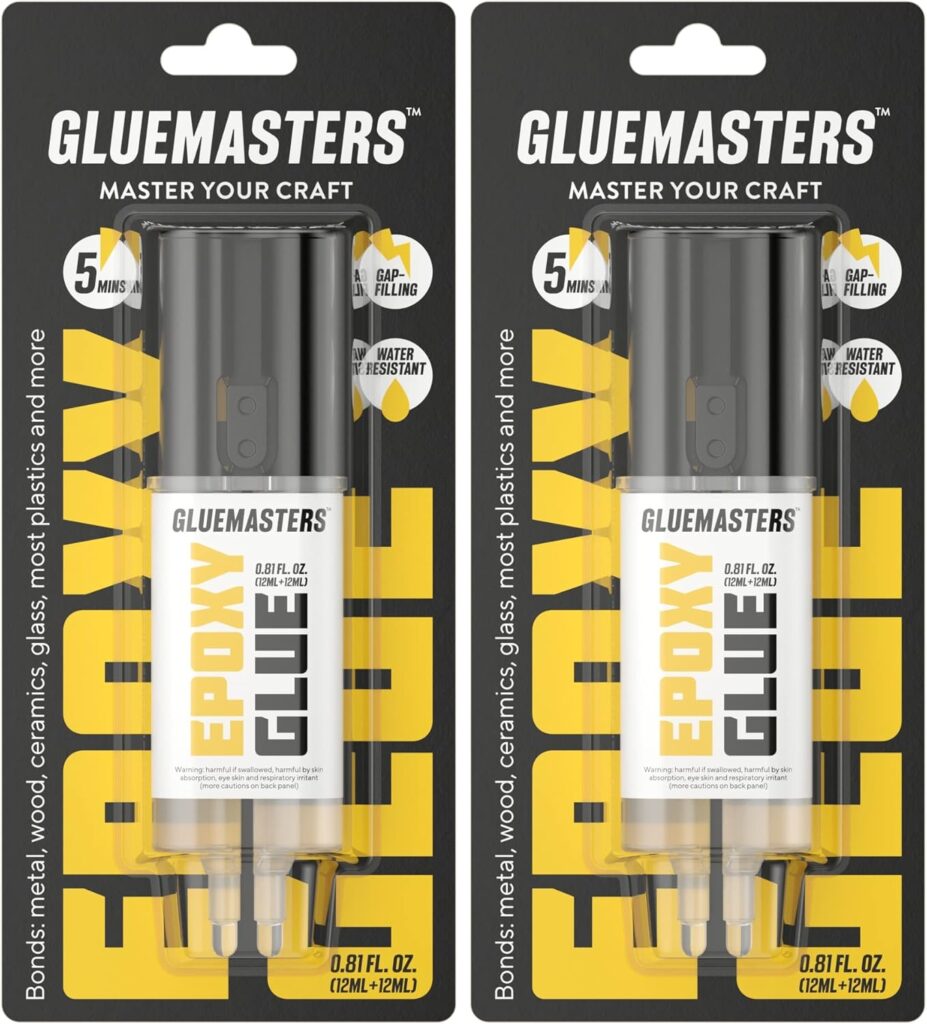

Product overview
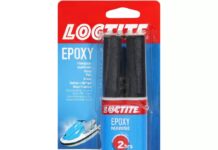
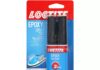
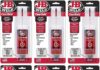
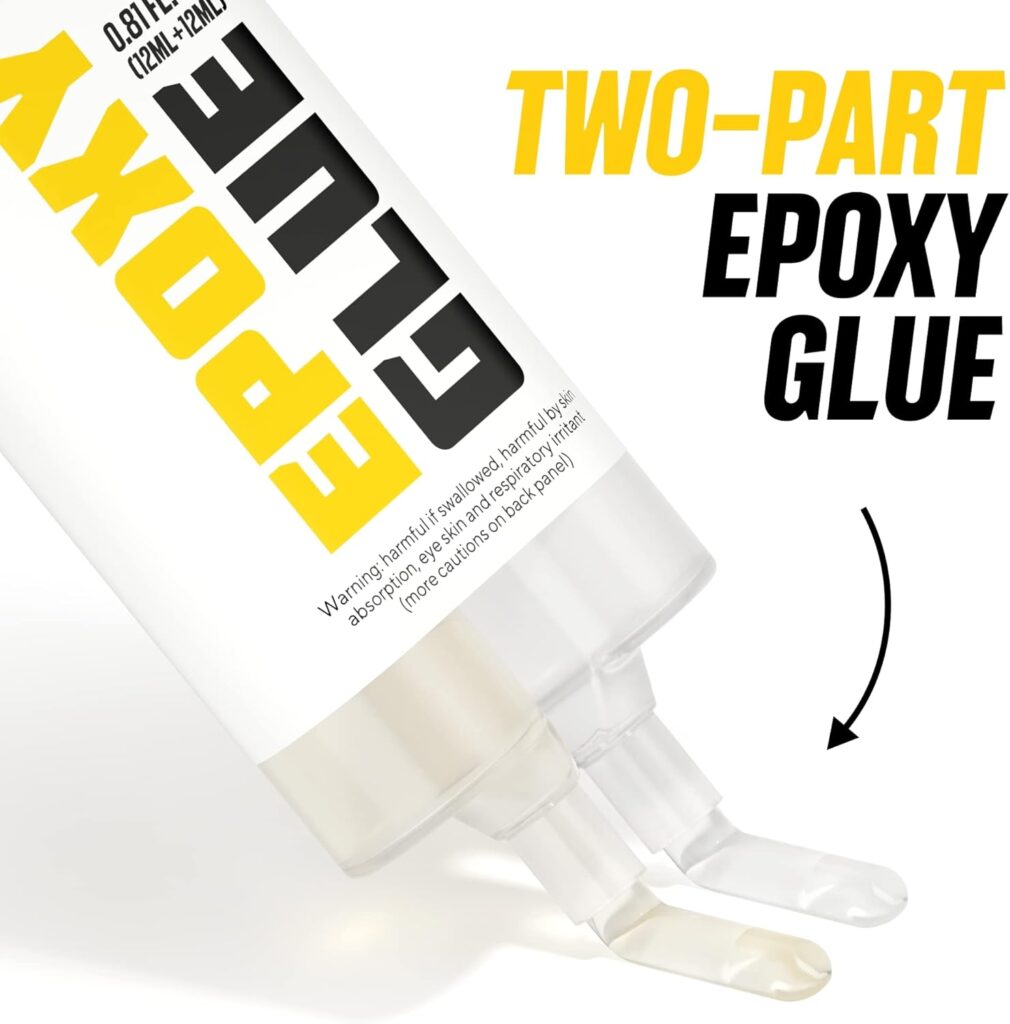
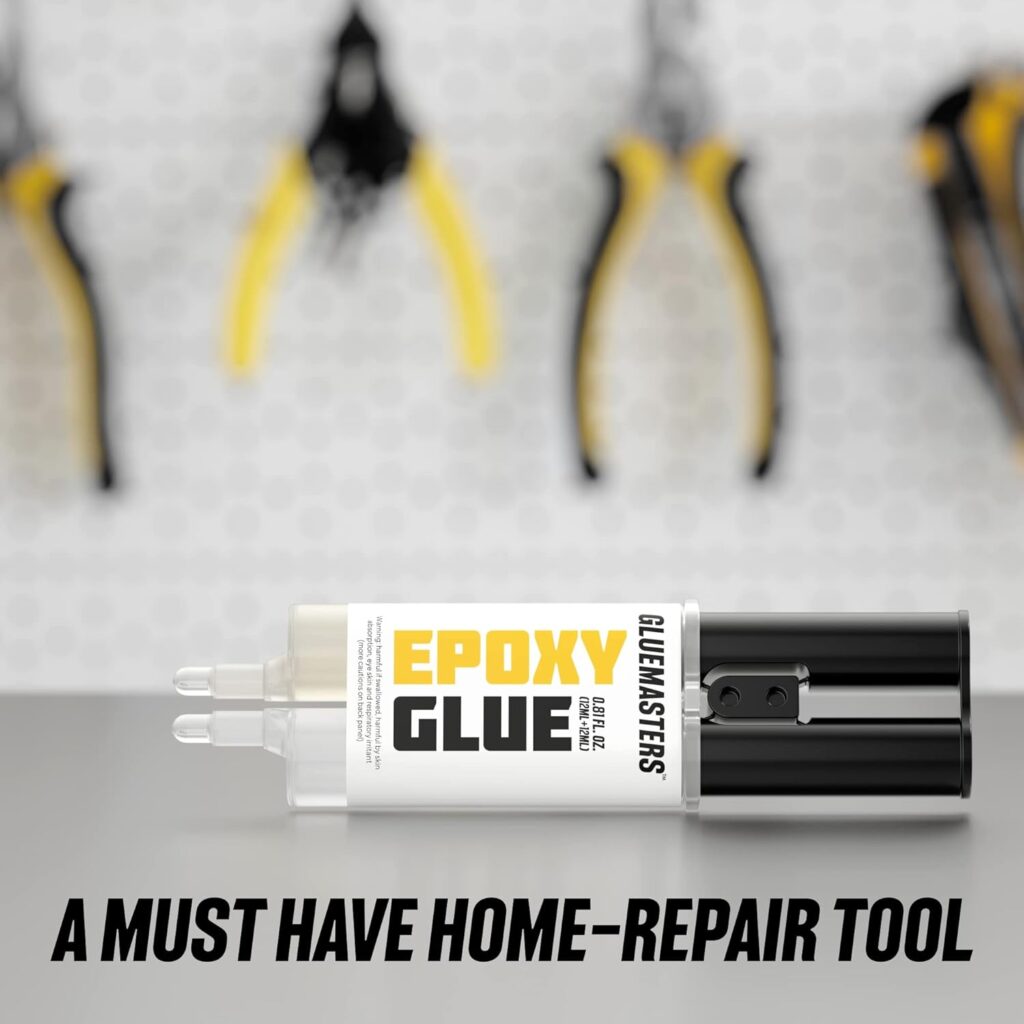
We find that the 2 Part Epoxy, 5 Minute Set, 0.81 Ounce Syringe, Clear (Pack of 2) is designed for quick, reliable repairs and small-scale projects. We like that it comes in a dual-barrel syringe that keeps the resin and hardener separate until application, which simplifies mixing and reduces waste.

Key specifications
We want to present the main specs at a glance so we can compare expectations against our projects. Below is a compact breakdown of the most important technical details and packaging information.
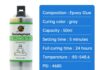
| Feature | Specification |
|---|---|
| Product name | 2 Part Epoxy, 5 Minute Set, 0.81 Ounce Syringe, Clear (Pack of 2) |
| Volume | 0.81 fl oz per syringe (approximately 24 ml), pack of 2 |
| Mix ratio | 1:1 by volume (pre-measured syringe) |
| Working time | Roughly 3–5 minutes of workable time depending on temperature |
| Initial set time | About 5 minutes under typical room conditions |
| Full cure | Expect full mechanical strength within 24 hours; faster in warm conditions |
| Flexural strength | ~4400 PSI |
| Compressive strength | ~6000 PSI |
| Color | Clear (transparent when cured) |
| Recommended materials | Metal, tile, plastics, ceramic, glass, wood |
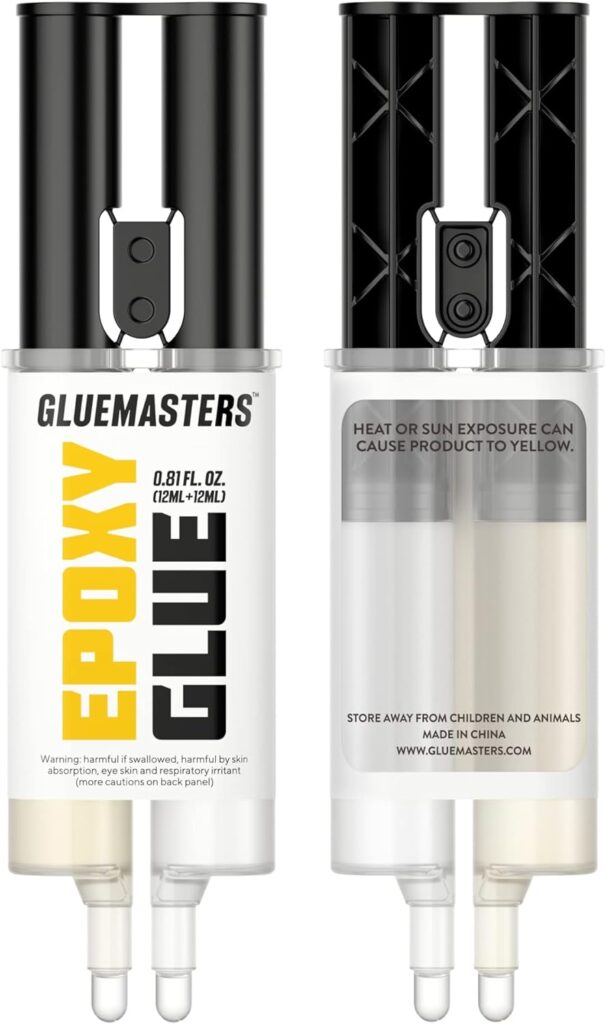
| Packaging | Dual-cartridge syringe with removable cap for resealing |
We appreciate that the table condenses the essentials so we can plan which repairs or projects are realistic with this product.

What’s in the box
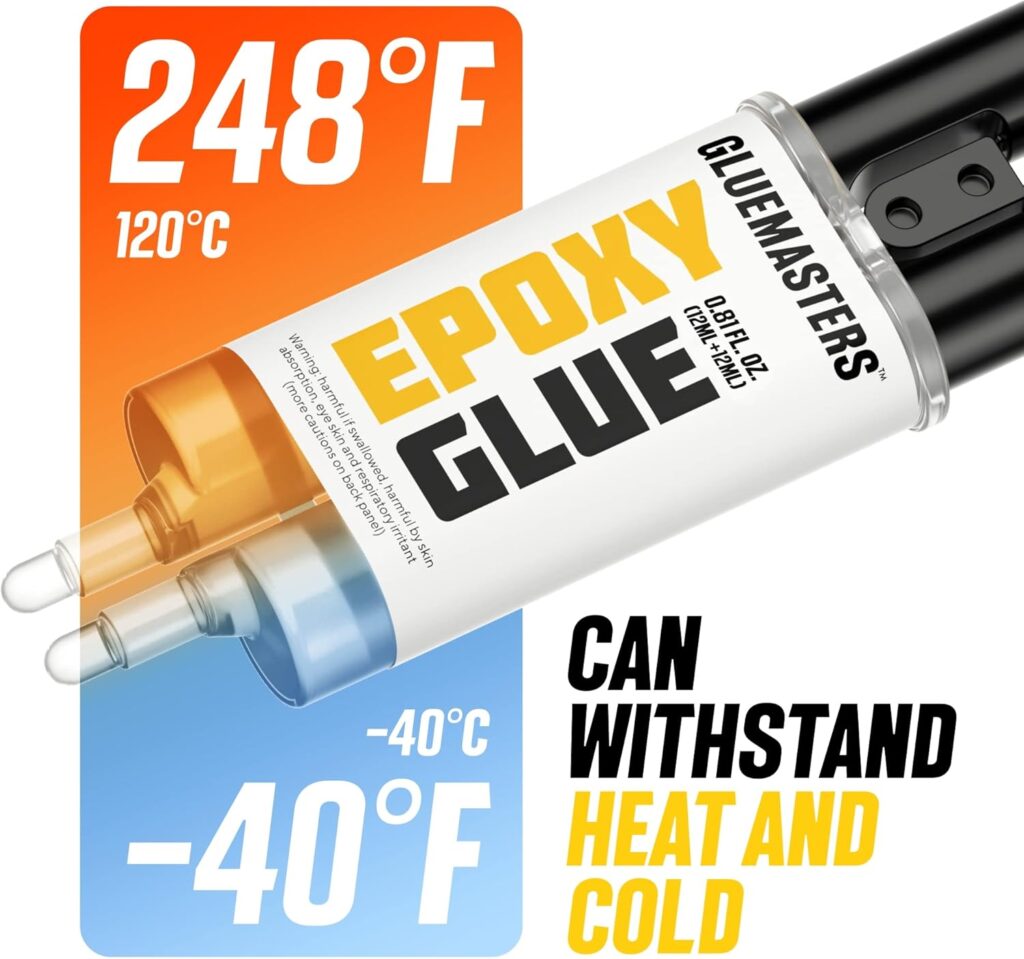
We received two identical syringes in the pack, each containing pre-measured resin and hardener in a dual barrel. The kit typically includes a resealable cap for each syringe; however, disposable mixing tips and clamps are not included, so we will need to supply our own if the job requires them.
Syringe design and mixing ratio
We like the syringe because it enforces a 1:1 mix ratio automatically, which is crucial for consistent cure and strength. The dual-barrel pushes both components evenly through the tip so we get an even mix without guessing or measuring.
Re-sealable cap and storage
We appreciate the small cap that allows us to stop mid-project and save the syringe for later use, which helps reduce waste. Proper resealing and storage in a cool, dry place will preserve the remaining epoxy for future tasks.
Performance and strength
We value adhesives that actually perform under load, and this epoxy claims substantial mechanical properties that make it suitable for demanding small repairs. The flexural and compressive strength numbers indicate it will hold up for many practical household and craft applications.
Bond strength (flexural/compressive)
We note the flexural strength of approximately 4400 PSI and compressive strength around 6000 PSI, which translates to good resistance to bending and crushing forces. For many repair tasks—like mending a broken ceramic piece or bonding a metal bracket—those figures offer confidence that the bond will be durable.
Cure time and working time
We see a short working time of only a few minutes, which means we must move quickly to position and clamp parts. The advertised 5-minute set refers to initial set; we still allow up to 24 hours for the epoxy to reach its full mechanical strength, especially at room temperature.
Gap-filling and solvent resistance
We find that this epoxy offers respectable gap-filling ability for small to moderate irregularities, and it provides good resistance to solvents and household chemicals once cured. That property is useful for objects exposed to occasional cleaning or mild chemical exposure.
Materials compatibility
We like adhesives that can bond multiple substrates so we can keep one product for many tasks. This epoxy lists compatibility with metal, tile, plastics, ceramic, glass, and wood, making it broadly useful for common repairs and DIY projects.
Metals and ceramics
We can achieve very strong bonds between dissimilar metals or between metal and ceramic when surfaces are properly prepared. For structural metal repairs we recommend roughening and cleaning the surfaces to maximize mechanical adhesion.
Plastics and glass
We recognize that not all plastics bond equally well with epoxy. Rigid plastics such as ABS and PVC usually bond well, while flexible plastics like polyethylene and polypropylene may not adhere reliably. Glass adheres well to epoxy once the surface is clean and free of oils.
Wood and porous materials
We find that wood accepts epoxy effectively and benefits from epoxy’s gap-filling character for splinters and cracks. Porous substrates may soak up some resin; for very porous wood we sometimes pre-seal the surface or use a thin coat first to reduce excessive absorption.
Usability and application
We prefer adhesives that are easy to apply accurately, and the syringe format helps us achieve precise control. The clear cured finish is beneficial for visible repairs where appearance matters, like ceramics or glass.
Preparation and surface prep
We always clean bonded surfaces thoroughly before applying epoxy—removing dust, grease, and old adhesive ensures the best bond. Lightly sanding glossy surfaces also helps by creating a micro-rough surface for the epoxy to bite into.
Dispensing and mixing
We like to extrude equal amounts from each side of the syringe directly onto a mixing surface, or use a static mixer tip if one is available, and blend quickly. The pre-measured 1:1 ratio saves time and reduces the risk of incorrect proportioning that can lead to incomplete curing.
Clamping and curing tips
We recommend holding parts in place or using clamps during the initial set to ensure alignment and maximize contact. Because the setting is fast, having clamps ready before mixing makes the job less stressful and reduces repositioning.
Safety and handling
We take safety seriously because epoxy resin and hardener components can irritate skin and eyes and may cause sensitization with repeated exposure. We always handle resin with care and follow the manufacturer’s safety instructions.
Personal protective equipment
We use nitrile gloves, eye protection, and long sleeves when working with epoxy to avoid skin contact and splashes. If mixing quantities larger than the syringe or working in confined spaces, we also consider a respirator rated for organic vapors.
Ventilation and cleanup
We work in a well-ventilated area to minimize inhalation of fumes, especially during larger applications or warmer conditions that can increase off-gassing. For cleanup, we remove uncured epoxy with appropriate solvent (isopropyl alcohol or acetone) and cure any residues before disposal.
Storage and shelf life
We store unopened syringes in a cool, dry place away from direct sunlight to preserve shelf life and prevent premature thickening. Once opened, we reseal the tip and store horizontal or upright as advised, using the product within the period recommended by the manufacturer for best performance.
Pros and cons
We like to weigh the tangible benefits and limitations before committing to a purchasing decision so we know when this epoxy is the right tool for the job. Below are the main strengths and caveats we observe.
Pros:
- Quick 5-minute initial set suitable for urgent repairs.
- Clear finish that blends well with visible surfaces.
- Strong mechanical properties (4400 PSI flexural, 6000 PSI compressive).
- 1:1 syringe simplifies mixing and reduces waste.
- Multipurpose for metal, tile, plastics, ceramic, glass, and wood.
- Resealable cap enables multiple small uses.
Cons:
- Very short working time requires swift action and preparation.
- May not bond well to very low-energy plastics (PE, PP) without surface treatment.
- Limited volume per syringe for larger projects; a pack of two is still small for extensive repairs.
- Not ideal for high-temperature continuous exposure unless specified by the manufacturer.
We appreciate that the pros make it a go-to for many small repairs, while the cons remind us to pick the right adhesive for large or specialized jobs.
Comparison with similar epoxies
We like to compare this product against alternate epoxy types so we can choose the best option for different tasks. The 5-minute set stands out when speed is a priority, while longer-working epoxies are preferable for complex assemblies.
| Characteristic | 5-Minute Syringe (this product) | Slow-Cure Epoxy (24-hour) | Instant CA (cyanoacrylate) |
|---|---|---|---|
| Working time | Short (3–5 min) | Long (30 min–2+ hours) | Very short (seconds) |
| Final strength | High (good flex/compressive) | Very high (often superior) | Moderate to high (brittle) |
| Gap-filling | Good | Excellent | Poor |
| Ease of use | Easy (pre-measured) | Requires measuring | Extremely easy |
| Ideal use | Quick repairs, small parts | Structural bonding, large projects | Small, non-gap fills |
| Appearance | Clear | Varies | Clear but can whiten |
We find that for quick fixes and small items this syringe’s balance of speed and strength is ideal, while for larger structural work we still opt for longer-cure epoxies.
Real-world use cases and project ideas
We like practical examples of how a product fits into daily life and hobbies; here are projects where we consider this epoxy especially useful. These use cases show how the product performs under varied demands.
Quick household repairs
We use this epoxy for mending broken ceramic knobs, repairing a cracked tile, or reattaching a loose metal hinge. Its quick set saves time when one fast fix prevents a bigger inconvenience, and the clear finish reduces visibility of the repair.
Craft and hobby projects
We enjoy using small amounts for jewelry making, model repair, and mixed-media crafts where a clear adhesive is preferable. The syringe format helps us dispense fine lines or small beads of adhesive without waste.
Automotive and tool repair
We sometimes apply this epoxy to bond or patch small metal brackets, fix tool handles, or rebuild minor components where mechanical strength and solvent resistance matter. For larger structural automotive repairs we typically choose more specialized adhesives, but this epoxy is handy for many auxiliary fixes.
Troubleshooting common problems
We run into a few recurring issues with fast-setting epoxies and have developed straightforward fixes to keep our projects moving. Below are typical problems and our practical solutions.
- Problem: Epoxy does not fully cure. Solution: Confirm equal volumes of resin and hardener were mixed; ensure workspace temperature is within recommended range (cold slows cure); and check for expired product.
- Problem: Bond fails on plastic. Solution: Identify the plastic type—low-energy plastics like PE/PP need surface treatment (flame treatment, abrasion, or a specialized primer) before bonding.
- Problem: Glue runs before setting. Solution: Use minimal amounts, support parts while curing, and keep vertical surfaces clamped or taped until initial set occurs.
- Problem: Sticky tack after set. Solution: Allow extended cure time at slightly elevated temperature (not exceeding safe limits) and confirm proper mix ratio; tacky residue usually indicates incomplete mixing.
We find that careful surface prep and strict adherence to mixing instructions mitigate most common problems.
Value for money
We assess value by weighing performance against cost and versatility. Given the mechanical strength, fast setting time, and multi-surface compatibility, we consider this epoxy a cost-effective option for household repairs and small projects.
We note that the small syringe size limits its use for larger jobs, but for emergency fixes and hobby work the pack of two tends to be a practical and economical choice.
Frequently asked questions
We like to answer common concerns we see from users so we can proceed with confidence. Below are practical answers to questions we often encounter.
How long before the epoxy reaches full strength?
We typically allow 24 hours at room temperature for near-maximum strength, though the initial set occurs in about 5 minutes. Higher temperatures speed up curing, while lower temperatures extend the time required for full strength.
Can this epoxy be sanded or painted after curing?
Yes, once fully cured the epoxy can be sanded, carved, or painted to match surrounding materials. We recommend waiting a full 24 hours before aggressive sanding or painting to ensure the material has reached its final hardness.
Will the epoxy bond to polyethylene or polypropylene?
Not reliably without special surface treatment. We usually roughen the surface, apply a primer designed for low-energy plastics, or use a different adhesive formulated specifically to bond PE and PP.
Is the cured epoxy heat resistant?
The epoxy offers moderate heat resistance suitable for many household applications, but it is not designed for continuous exposure to high temperatures like engine components or exhaust systems. For high-heat applications we select a heat-resistant adhesive specified for that range.
How should we store the syringes if we don’t use them all at once?
We keep the syringes capped and store them in a cool, dry place away from direct sunlight. For extended storage, refrigeration can help preserve shelf life, but we avoid freezing and always allow the product to return to room temperature before use.
What should we do about skin contact with uncured epoxy?
We wash the affected area immediately with soap and water and avoid using solvents on skin. If irritation persists or if there’s a large exposure, we seek medical advice. We always wear gloves to prevent skin contact in the first place.
Can we use both syringes together for a larger application?
We can, but we must mix the components thoroughly and maintain the 1:1 ratio. If combining contents from two syringes, we transfer equal volumes of resin and hardener into a mixing container, blend quickly, and use within the short working time.
Are mixing tips included, and are they necessary?
Mixing tips are sometimes included but not guaranteed. We find them useful for achieving thorough mixing and for dispensing neat beads; if they’re not included we can buy compatible static mixer tips or mix manually on a disposable surface.
Troubleshooting advanced issues
We sometimes face nuanced problems that require more specific techniques. Here are some advanced tips based on our hands-on experience that help save a job in tricky situations.
- Incomplete bonding after curing: Remove old epoxy and reseat parts after sanding and cleaning, then reapply following precise mixing and surface prep.
- Bubbles in the cured epoxy: Mix more slowly to reduce air entrapment and allow parts to rest undisturbed while initial set occurs. Warming the epoxy slightly before mixing can reduce viscosity and help bubbles escape, but avoid overheating.
- Excess cure heat on large pours: The exothermic reaction of epoxy can generate heat in larger volumes. For big fills, do smaller layers to avoid overheated cured resin, which can discolor or weaken.
We tend to follow conservative layering and mixing practices to avoid these advanced problems.
Environmental considerations and disposal
We care about responsible use and disposal of chemical products. Uncured epoxy is hazardous waste and should be disposed of according to local regulations, while cured epoxy can be handled as solid waste in many jurisdictions.
We recommend curing any small leftover epoxy before disposal so it becomes an inert solid, and we avoid pouring unused components down drains. For larger quantities consult local hazardous waste guidelines.
Tips for saving and maximizing the pack
We like getting the most utility from small product packs without wasting material. These tips help us stretch the two-syringe pack across multiple tasks.
- Use small, disposable palettes or popsicle sticks for mixing tiny amounts to reduce waste.
- Cap and store syringes upright to prevent backflow and prolong shelf life.
- Work in batches: prepare surfaces first, have clamps ready, then mix and apply to minimize wasted working time.
- For infrequent use, cut a small piece off the syringe tip and store with a cap or plug; purge a little into a scrap piece first on subsequent uses to ensure a clean mix.
We find these habits make the pack economical for many hobbyists and homeowners.
When not to use this epoxy
We like to know the limits so we don’t misuse the product and create failures later. The 5-minute set epoxy should not be our choice where long open working time is needed, or where materials will be exposed to sustained high temperatures or heavy, continuous loads.
We also avoid using it on highly flexible plastics without pretreatment or in critical structural joints where validated engineering adhesives are required.
Final verdict
We find the 2 Part Epoxy, 5 Minute Set, 0.81 Ounce Syringe, Clear (Pack of 2) to be an excellent go-to for fast, small-scale repairs, craft projects, and multipurpose household fixes. Its quick set, clear finish, and strong mechanical properties make it a practical, user-friendly adhesive for many of our everyday needs.
We recommend it for anyone who needs a compact, easy-to-use epoxy for speed and strength, while advising that larger or specialized jobs may require different formulations or larger quantities.

Disclosure: As an Amazon Associate, I earn from qualifying purchases.