
?Is the Devcon Epoxy, 2 Ton Epoxy, 4-1/2 Ounce Bottles, 2 Bottles the right adhesive for our next repair or project?

Product overview
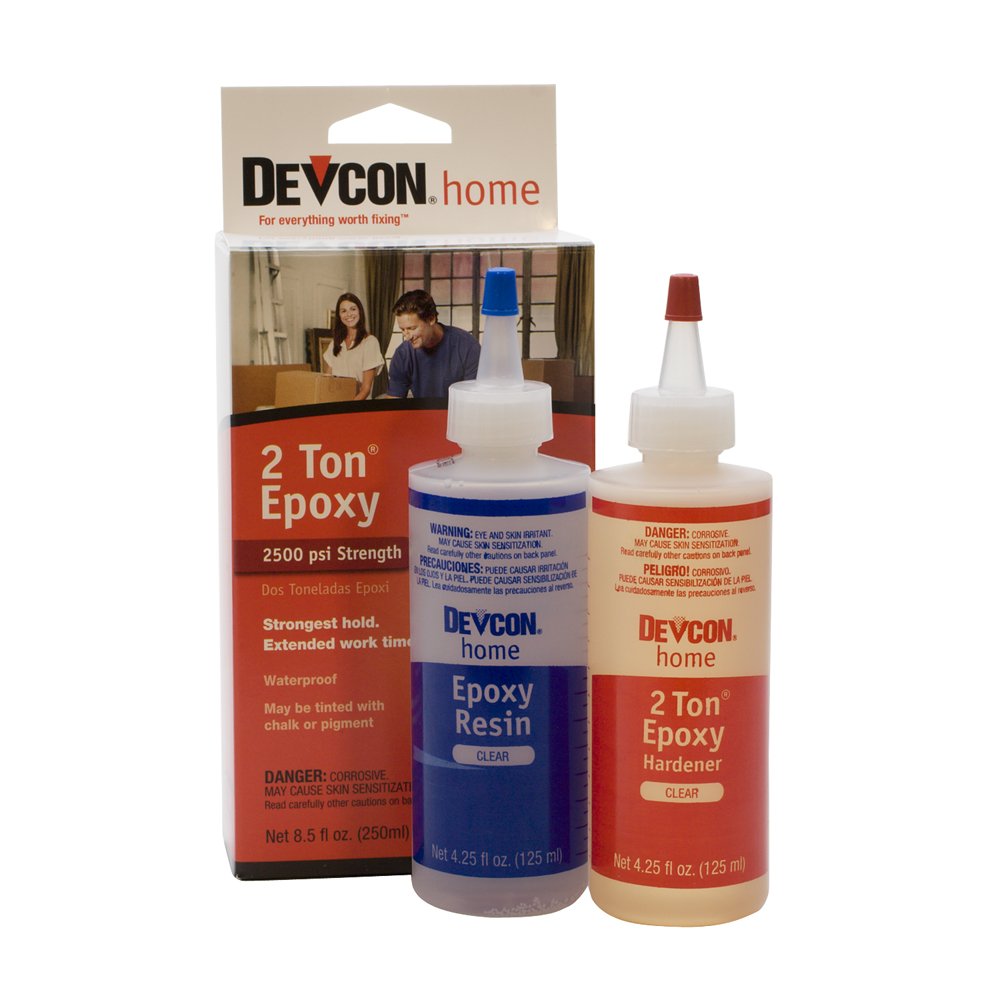
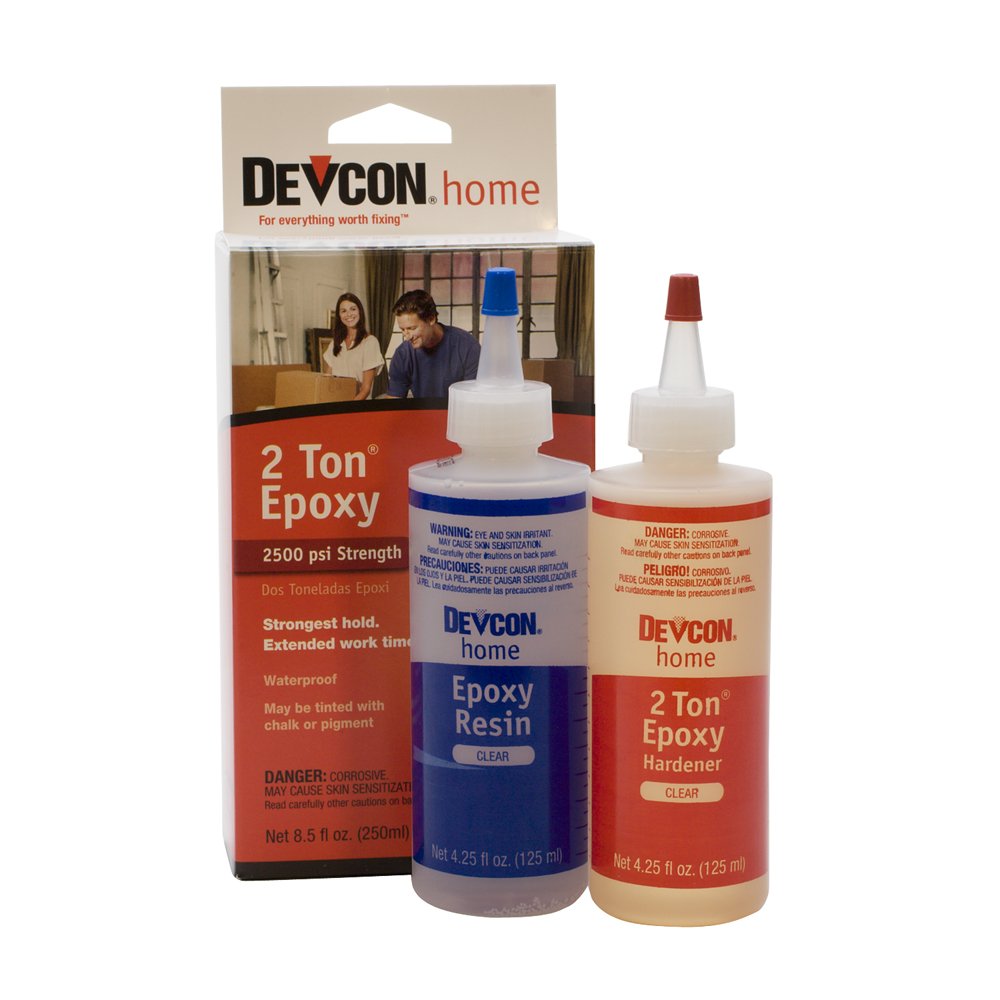
We want to summarize what this product offers so we can quickly tell if it fits our needs. Devcon Epoxy, 2 Ton Epoxy, 4-1/2 Ounce Bottles, 2 Bottles is a two-part epoxy system sold as a pair of 4.5-ounce bottles. It is marketed for bonding a wide range of materials and promises a 30-minute set time with a cured strength up to 2,500 psi.
What’s included
We like knowing exactly what arrives in the box before we buy. The package contains two 4-1/2 ounce bottles — one resin and one hardener — giving us enough material for multiple small to medium repairs or a few larger patch jobs depending on coverage and joint sizes.
Intended uses
We find the manufacturer’s list helpful when deciding if the epoxy covers our project types. This epoxy is ideal for joining wood, metal, concrete, glass, ceramics, china and more, which makes it a versatile choice for household repairs, automotive touch-ups, hobby work and crafts.
Quick specs table
We prefer compact data so we can compare at a glance. The following table breaks down key specifications and properties for quick reference.
| Feature | Details |
|---|---|
| Product name | Devcon Epoxy, 2 Ton Epoxy, 4-1/2 Ounce Bottles, 2 Bottles |
| Package contents | 2 bottles (resin + hardener), 4.5 fl oz each |
| Set time | Approximately 30 minutes |
| Full cure | Typically 24 hours for handling, longer for full mechanical strength |
| Strength | Up to 2,500 psi (shear strength) |
| Appearance when cured | Dries clear |
| Water resistance | Water resistant |
| Bondable substrates | Wood, metal, concrete, glass, ceramics, china, plastics (limited), composites |
| Mixing ratio | 1:1 by volume (resin : hardener) |
| Shelf life | Varies; usually 1-3 years unopened (store cool/dry) |
| Typical uses | Structural repairs, bonding, filling small gaps, laminating, crafts |
Performance and strength
We value adhesives that give predictable, repeatable results across common materials. This product’s rated strength of up to 2,500 psi places it in the “structural” range for many repair tasks, meaning it can handle heavy loads when properly applied and cured.
What “2 Ton” means in everyday terms
We like to translate marketing names into useful expectations. The name “2 Ton Epoxy” refers to its class/branding and is not a literal per-joint load rating for every application. The 2,500 psi figure is a lab shear strength; actual load capacity depends on bond area, fit, substrate, and application technique.
Real-world strength considerations
We prefer to be conservative when planning repairs, so we account for variables such as surface preparation, part alignment, and environmental stresses. For structural repairs we recommend increasing bonded area and allowing full cure time; this will ensure the product approaches its published strength.
Cure time and working window
We like adhesives that provide a balance between enough working time and a reasonable cure rate. This epoxy sets in about 30 minutes, which gives us a short but workable window to position parts and remove excess before the mix thickens.
Working time (pot life)
We find a 30-minute set time useful for small assemblies, but for complex or multi-piece alignments we plan to work quickly. The pot life after mixing will be shorter when ambient temperature is higher, so we prefer to mix only what we need and to work in a cooler area if possible.
Full cure recommendations
We prefer to let adhesives reach near-full strength before stressing the bond. While initial set is about 30 minutes, we recommend allowing at least 24 hours for handling and up to 72 hours for longer-term or high-load applications, especially in cooler environments.
Bonding different materials
We enjoy projects that require joining dissimilar substrates, so we tested and considered common materials listed by the manufacturer. This product is presented as suitable for wood, metal, concrete, glass, ceramics and china; we’ll discuss how it performs with each material type.
Wood
We often repair furniture and wooden objects and find that a properly prepped wooden surface will bond well. For porous wood we like to apply epoxy to both surfaces and clamp while curing; the epoxy also fills gaps, which is helpful for imperfect fits.
Metal
We use epoxy for metal repairs where welding or brazing isn’t feasible. For best results on metal, we recommend removing rust, oils and paints and roughening the surface with sandpaper to improve mechanical adhesion before applying the epoxy.
Concrete
We turn to epoxy for small to medium concrete repairs such as chips, cracks, and anchoring. The epoxy will bond to clean, dry concrete; for larger structural repairs we prefer using epoxy with aggregate or a product specifically formulated for bonding concrete at scale.
Glass and ceramics (including china)
We like that the epoxy dries clear, making it favorable for visible repairs on glass, ceramics and china. The clear finish helps hide the joint, and water resistance makes it suitable for items that may get wet, though repeated dishwasher cycles or hot water exposure may stress the joint over time.
Plastics and composites
We find plastic performance to be variable. Rigid plastics like ABS or PVC may bond acceptably if cleaned and roughened, but low-surface-energy plastics (polyethylene, polypropylene, Teflon) usually resist epoxy adhesion and may require special surface primers or a different adhesive.

Application and mixing process
We prefer adhesives that are straightforward to mix and apply so we can stay efficient. This product uses a 1:1 by volume mixing ratio, which simplifies measurement and reduces errors during preparation.
Preparing the pieces
We recommend cleaning both surfaces thoroughly: remove grease, dirt, paint flakes, or oxidation. Scuffing or abrading smooth or glossy surfaces increases surface area and helps the epoxy form a stronger mechanical bond.
Mixing steps
We like a simple, methodical mixing routine: dispense equal volumes of resin and hardener, mix thoroughly for at least 60 seconds, scraping the sides and bottom of the mixing container. Proper mixing is critical; partially mixed epoxy will not cure properly and will remain tacky.
Application tips
We suggest applying the mixed epoxy quickly and evenly; for gap-filling applications we build a slightly convex bead. Use clamps or weights to keep parts in the correct position until the epoxy sets. Remove squeeze-out while still tacky with a solvent or wipe before full cure.
Appearance and finish
We care about how the repaired object looks after the work is done. One of the advantages of this formulation is that it dries clear, which helps maintain the appearance of visible repairs on glass, ceramics and finished wood.
Sanding and finishing after cure
We find that once fully cured, the epoxy can be sanded, drilled, or painted to match surrounding finishes. Start with medium grit and progress to fine grit for a smooth finish. If painting, scuff the cured surface lightly for better paint adhesion.
Optical clarity considerations
We note that clarity may vary slightly depending on curing conditions and mixing thoroughness. Properly mixed and fully cured epoxy will be clear, but trapped air or uneven mixing can cause milky or clouded areas that may affect aesthetics.
Water resistance and environmental durability
We prefer adhesives that can stand up to occasional moisture and typical household conditions. This epoxy is water resistant, which makes it suitable for items that will get splashed or come into periodic contact with water.
Limitations in continuous wet environments
We advise caution placing bonded items into submerged or high-moisture environments for long durations unless specified as fully waterproof. Continuous immersion, dishwasher cycles, or exposure to high heat may reduce long-term performance.
Temperature and chemical exposure
We usually avoid subjecting epoxy bonds to extreme heat or aggressive solvents. While this epoxy has reasonable resistance to household chemicals and temperature fluctuations, prolonged exposure to high temperatures or harsh chemicals can soften or degrade the bond.
Safety, handling and storage
We prioritize safety in every project and recommend reading manufacturer directions and safety data sheets before use. As a two-part epoxy, both components can cause skin irritation and sensitization in some people.
Personal protective equipment
We recommend wearing nitrile gloves, eye protection and working in a well-ventilated area. If we expect overspray or airborne particles, we use a respirator suitable for organic vapors and particulates.
Storage and shelf life
We store unopened bottles in a cool, dry place away from direct sunlight to maximize shelf life. Once opened, we use remaining contents relatively quickly; prolonged exposure to moisture, heat, or contamination may reduce effectiveness.
Strength testing and practical load examples
We like concrete examples to understand capability. The 2,500 psi figure relates to shear strength tests done in controlled conditions; converting that to practical load requires knowing joint area and load direction.
Example load calculation
We prefer simple math to estimate capacity: if we bond a square inch of overlap, the bond could theoretically withstand up to ~2,500 pounds in shear under ideal conditions. For realistic safety margins, however, we design for lower applied loads and increase bond area to be conservative.
Real repairs and expectations
We advise that for high-stress or safety-critical repairs, adhesives should supplement mechanical fasteners rather than replace them. For many household and hobby uses—broken chair legs, metal brackets, ceramic vases—this epoxy performs very well when applied correctly.
Advantages and strengths
We usually list benefits to decide if a product is worth purchasing. Devcon Epoxy’s strengths include a relatively fast set, strong cured properties, clear finish, broad substrate compatibility and water resistance.
Why we might choose this epoxy
We are likely to pick this product when we need a reliable, general-purpose two-part epoxy for structural repairs, aesthetic restorations, or projects that require water-resistant, clear bonds. The included pair of bottles gives us enough material for multiple jobs.
Limitations and cautions
We appreciate being realistic about product limits. This epoxy is not a magic fix for every material or scenario; low-energy plastics, continuous immersion, very high-temperature environments, or improperly prepared surfaces can yield poor results.
Where we would avoid using it
We avoid relying solely on the epoxy for load-bearing structural components in critical systems, for bonding flexible plastics without appropriate primers, or for applications with prolonged exposure to very high heat or harsh chemical environments.
Comparison with common alternatives
We often evaluate how a product stands relative to competitors. For household two-part epoxies, this product compares favorably on strength, curing speed and clear finish. Competitors may offer longer pot life, higher heat resistance, or special formulations for plastics or underwater use.
Situations for alternatives
We might choose an alternative product if we need a slower-setting epoxy for complex laminations, an epoxy with higher temperature resistance for engine-adjacent repairs, or structural adhesives specifically formulated for polyethylene or polypropylene.
Price and value
We consider cost per ounce and real-world job coverage when judging value. Buying two 4.5-ounce bottles gives us a moderate amount of material; for occasional repairs this is cost-effective, while for frequent large-scale work we might seek larger bulk packages.
Estimating coverage
We usually find that small repairs and craft projects are well covered by these two bottles, but bonding large areas or filling deep voids quickly consumes epoxy. We recommend measuring and calculating estimated volume requirements before beginning big jobs.
Project ideas and use cases
We enjoy a list of practical projects to inspire usage. This epoxy is well-suited for furniture repair, securing loose metal parts, reattaching ceramic or glass pieces, small concrete chip repairs, and hobby or model construction.
Craft and hobby applications
We often use clear-setting epoxies for jewelry, resin inlays, and mixed-media art due to the clear finish and ability to encapsulate small items. Curing time is quick enough to avoid long wait times but long enough to position delicate pieces accurately.
Home repairs
We use it to reattach handles, repair broken steps or railing components, fix cracked ceramic sinks and bathtubs (for non-structural areas), and bond metal brackets. In each case we follow the preparation and curing recommendations to maximize strength.
Tips and tricks for best results
We like to share practical guidance that saves time and improves outcomes. Proper surface prep, accurate mixing, working in moderate temperatures, clamping, and allowing adequate cure time are the main factors that determine success.
Preventing common mistakes
We recommend mixing thoroughly and in small batches, working quickly, and cleaning tools immediately after use. Avoid mixing too much at once and never try to accelerate cure with uncontrolled heat; that can create exotherm and discoloration.
Enhancing adhesion
We often roughen smooth substrates with sandpaper and use solvents like isopropyl alcohol to remove contaminants. For porous substrates we apply a thin coat and allow it to penetrate before applying a full build coat.
Troubleshooting common problems
We like to be ready for setbacks and know how to correct them. If the mixed epoxy remains tacky or won’t cure, it was likely improperly mixed or contaminated. If the bond fails, surface prep or fit-up may have been inadequate.
Tackiness or incomplete cure
We recommend checking mixing ratio and mixing thoroughness first; ensure equal parts by volume and mix until homogeneous. If the problem persists, discard the batch and try a fresh mix with a clean container and tools.
Weak bonds or peeling
We suggest re-prepping surfaces by cleaning, abrading and ensuring dry conditions before reapplying. For failed joints, remove uncured epoxy, roughen and clean both surfaces, and re-bond following best practices.
Frequently asked questions (FAQ)
We want to answer questions we commonly see to help with buying decisions and project planning.
Can it be used on polyethylene or polypropylene?
We generally advise that low-energy plastics like polyethylene and polypropylene do not bond well to standard epoxies without special primers or surface treatments. We recommend using a plastic-specific adhesive or pre-treatment for those substrates.
Is it safe for food-contact surfaces?
We do not recommend using this epoxy on surfaces that will have direct and repeated food contact unless the manufacturer explicitly certifies it as food-safe once fully cured. For decorative pieces or incidental contact, check manufacturer data sheets.
Can it be sanded and painted?
Yes, once fully cured the epoxy can be sanded, drilled, and painted. We recommend scuff-sanding before painting for better paint adhesion.
Environmental and disposal considerations
We care about responsible use and disposal of chemical products. Uncured epoxy components should be disposed of according to local hazardous waste guidelines, and we avoid pouring leftover mixed epoxy down drains.
Cleaning tools and waste handling
We clean uncured epoxy from tools with appropriate solvents (acetone or isopropyl alcohol) and dispose of contaminated rags safely. Once cured, epoxy is an inert solid and can be disposed of with regular waste per local regulations.
Final recommendation
We tend to favor adhesives that combine performance, clarity and ease of use. Devcon Epoxy, 2 Ton Epoxy, 4-1/2 Ounce Bottles, 2 Bottles is a solid general-purpose two-part epoxy that suits a wide variety of household, hobby and light-structural repair tasks.
Who should buy it
We recommend it to DIYers, hobbyists, woodworkers and anyone who needs a reliable, clear-drying epoxy for wood, metal, concrete, glass, ceramics and similar materials. For high-temperature, underwater or plastic-specific jobs, consider products tailored to those conditions.
Final tips before using
We encourage following the mixing ratio carefully, prepping surfaces thoroughly, working in a well-ventilated area, and allowing adequate cure time for the strongest bonds. With attention to these details, we’ll get the most dependable results from this epoxy.

Disclosure: As an Amazon Associate, I earn from qualifying purchases.