

Have you ever had a quick repair that needed to set fast and still hold like a champ?

Quick Summary
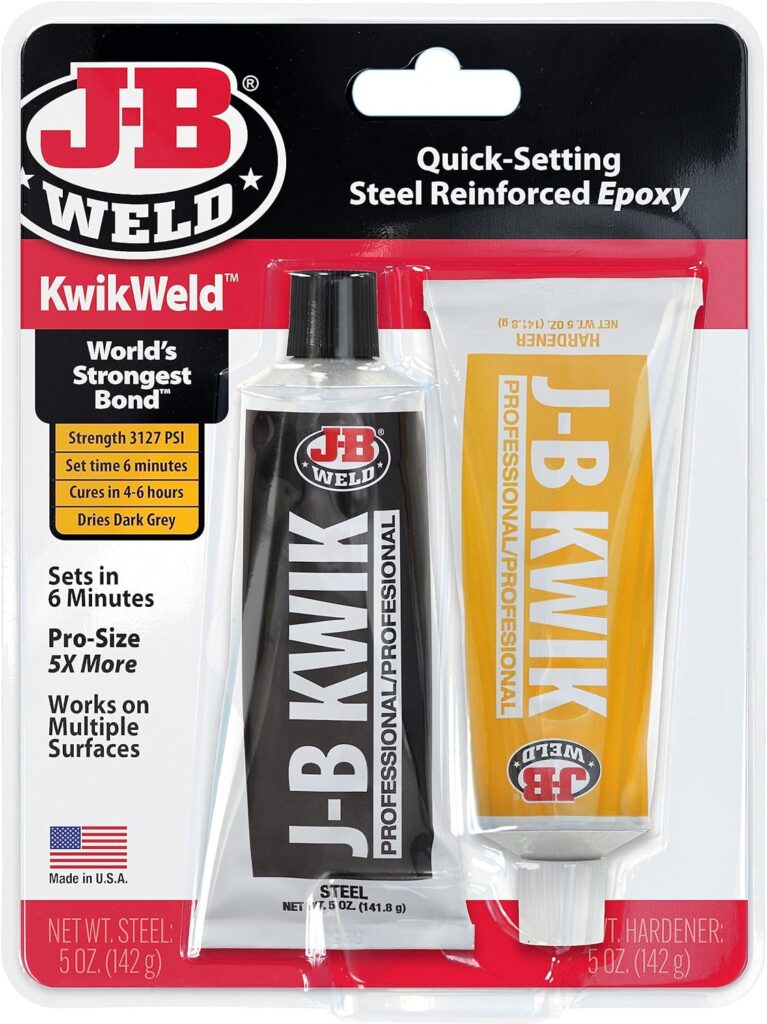
I bought the J-B Weld 8271 KwikWeld Professional Size Steel Reinforced Epoxy Twin Pack – 10 oz. because I needed a fast-setting, strong epoxy for a mix of household and automotive fixes. My overall impression is that it delivers a reliable, steel-reinforced bond for many materials and sets fast enough to get things back in working order the same day.

J-B Weld 8271 KwikWeld Professional Size Steel Reinforced Epoxy Twin Pack - 10 oz.
What is J-B Weld 8271 KwikWeld Professional Size Steel Reinforced Epoxy Twin Pack – 10 oz.
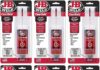
I see this product as J-B Weld’s faster alternative to their original Cold Weld formula. It’s a two-part, 1:1 ratio epoxy packaged as two professional 5 oz tubes intended for quick repairs that still require considerable strength.
Packaging and Contents
The package contains two 5 oz tubes, giving a total of 10 oz of mixed epoxy when combined at the correct ratio. I appreciated that the twin pack is sized for multiple small to medium repairs without needing to buy multiple single-use tubes.
Formula and Material Properties
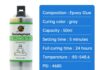
KwikWeld is steel-reinforced which means the cured epoxy has metal filler particles that increase its mechanical strength and abrasion resistance. I noticed the curing compound goes to a dark gray color once set, which helps visually confirm a full cure and creates a metal-like finish suitable for many repairs.

Performance and Strength
Performance is where KwikWeld tries to balance speed with lasting bond strength, and in my experience it strikes a good compromise. It’s not the absolute strongest epoxy you can buy, but it’s impressively durable given the six-minute set time.
Cure and Set Times
After mixing the two components at a 1:1 ratio, KwikWeld sets in about 6 minutes and cures in approximately 4–6 hours. I like that I can apply it and have the piece reassembled or touchable within the same morning, and firmly workable by that afternoon or evening.
Tensile Strength and Temperature Resistance
J-B Weld lists a tensile strength of 3,127 PSI for KwikWeld, which I’ve found to be more than adequate for brackets, housings, and many automotive non-structural repairs. It can withstand temperatures up to about 230°F (110°C) when fully cured, so I won’t use it where sustained higher heat is expected, but it’s fine for engine bay trims and moderately hot environments.
Water Resistance and Durability
When fully cured, KwikWeld is waterproof and resists moisture well enough for outdoors and marine-adjacent applications. I used it on a garden tool handle repair and didn’t notice breakdown after repeated exposure to wet conditions.
Surfaces and Applications
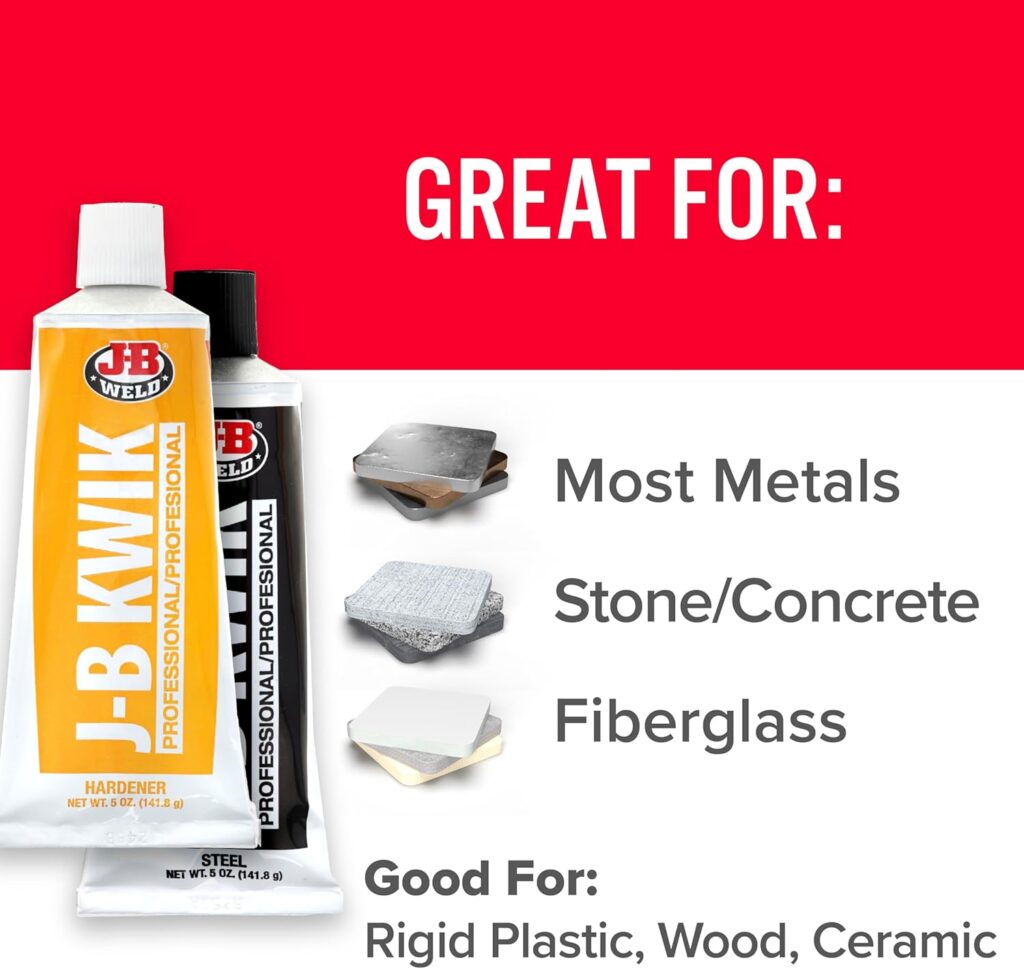
I’ve used KwikWeld on a variety of surfaces and its versatility is one of the reasons I keep a twin pack around. From metal to concrete, it bonds well when surfaces are prepped correctly.
Metal and Automotive Repairs
On metal parts like brackets, muffler clamps, and broken fittings, KwikWeld creates a highly useful bond that I’ve relied on for emergency fixes. I’m careful not to use it as a replacement for welded structural supports, but for fractured housings, mounts, or threaded repair inserts it’s been dependable.
Plastic, PVC, and Fiberglass
KwikWeld bonds to many plastics and PVC but results can vary based on the polymer type and surface condition. For fiberglass repairs I’ve had good luck, especially when I roughen the surface and use a little extra epoxy for a fillet that distributes load.
Wood, Concrete, Ceramic, Tile
I used KwikWeld to fix a broken ceramic planter and to patch a cracked concrete garden light base with success. On wood, it holds well—especially for small pieces or when filled into a gap—but I avoid using it where wood will flex a lot, since epoxy can be rigid and crack under repeated movement.
Specification Table
I find a quick specs table makes it easy to compare features at a glance. Below I list the most relevant technical details I rely on.
| Specification | Details |
|---|---|
| Product Name | J-B Weld 8271 KwikWeld Professional Size Steel Reinforced Epoxy Twin Pack – 10 oz. |
| Tubes | Two 5 oz tubes (total 10 oz) |
| Mix Ratio | 1:1 (by volume) |
| Set Time | ~6 minutes |
| Cure Time | 4–6 hours |
| Cured Color | Dark gray |
| Tensile Strength | 3,127 PSI |
| Temperature Resistance | Up to 230°F (110°C) |
| Reinforcement | Steel-reinforced |
| Waterproof | Yes, when fully cured |
| Common Surfaces | Metal, Plastic & PVC, Wood, Concrete, Ceramic & Tile, Fiberglass |
How I Used It — Step-by-Step
I like to break the job down so the results are predictable. Below I describe the exact steps I take when using KwikWeld, and how I manage timing to avoid rushed mistakes.
Preparation
I always clean both mating surfaces thoroughly, removing rust, grease, and paint where necessary. Proper cleaning is the difference between a bond that lasts and one that fails prematurely, so I use a wire brush, solvent (acetone or isopropyl alcohol), and then dry cloths.
Mixing
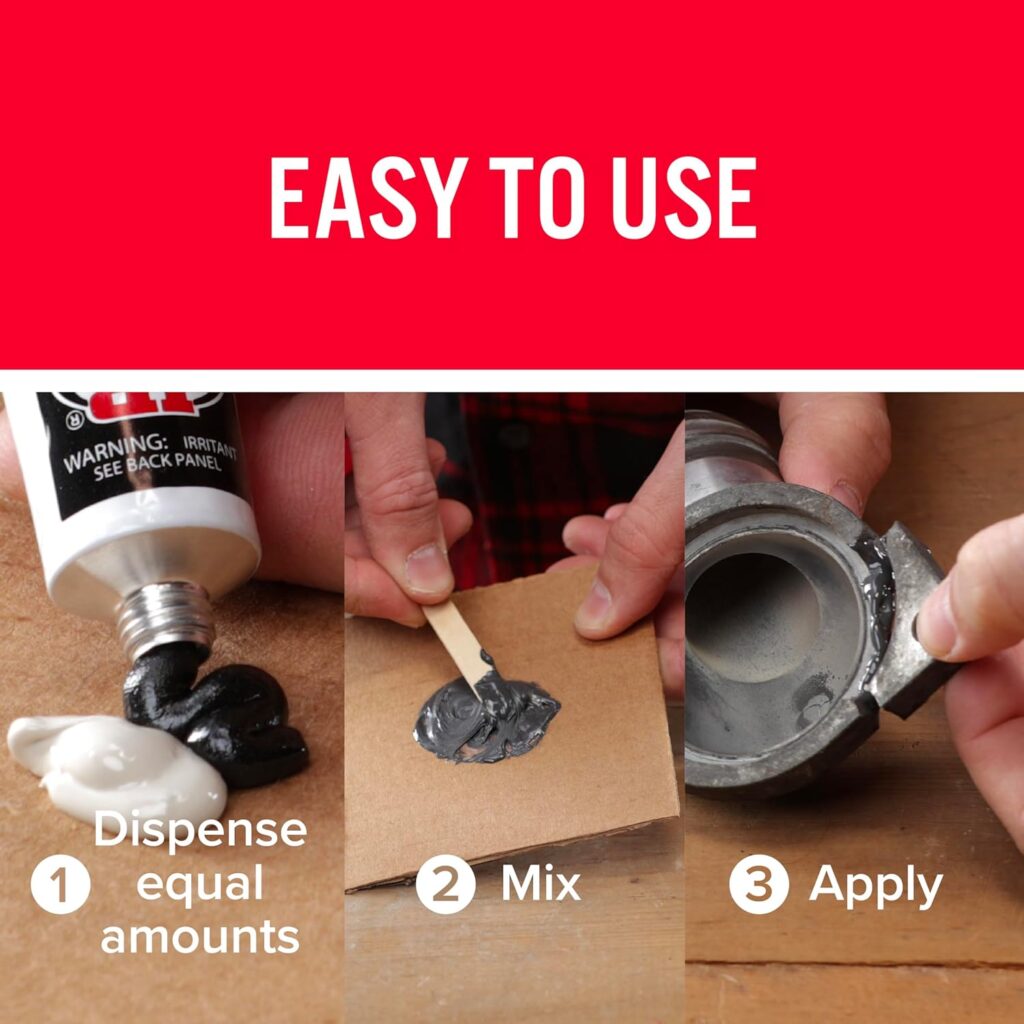
I measure equal volumes of the epoxy and hardener on a clean disposable surface and mix thoroughly until the color is uniform. In my experience, mixing for at least 45–60 seconds and scraping the sides well ensures the components are fully integrated and reach their optimal strength.
Application
I apply the mixed epoxy to the prepared surfaces, spreading it evenly and creating a small fillet where possible to increase contact area. For gaps I’ll slightly overfill and then later sand or file down after curing for a smooth finish.
Curing
I clamp or hold parts in place during the initial 6–10 minute set time to prevent movement, then leave the parts untouched for at least 4–6 hours to reach functional cure. For ultimate strength I wait the full 24 hours before subjecting the repair to heavy loads.
Finishing
Once cured, KwikWeld can be drilled, tapped, sanded, and painted. I usually sand with medium grit to remove excess and then fine sand before painting; the dark gray finish takes primer and paint reasonably well.
Tips for Best Results
Over time I developed a handful of practical tricks that improve bond strength and appearance. These aren’t complicated, but they save me from disappointing failures.
Surface Preparation
I can’t stress this enough: cleaning and roughening the surface matters. I use a file or sandpaper to create a mechanical key for the epoxy and then clean off dust and oils before applying the mixed material.
Mixing Technique
I always mix slightly more than I think I need because under-mixing or using too little can lead to soft spots or incomplete cure. If I have extra, I dispense it onto cardboard and keep a small amount for touch-ups.
Clamping and Pressure
Even though KwikWeld sets quickly, I use clamps to ensure good contact during the initial set time and prevent uneven squeeze-out. Too much pressure can thin the epoxy excessively, so I apply firm but not crushing clamping force.
Working in Cold or Hot Conditions
Temperature affects cure speed: warm conditions shorten working time and speed cure, while cold slows everything down. I adjust the amount I mix and the timing accordingly, and where possible I work in a controlled environment between about 60°F and 80°F (15°C–27°C).
Limitations and What It Won’t Do Well
I think it’s important to be upfront about what KwikWeld shouldn’t be trusted with. Recognizing limits avoids misuse and potential failures.
Not a Structural Weld Replacement
I don’t use KwikWeld as a substitute for actual welds in load-bearing structural applications. It’s great for many repairs, but if a failed weld affects the safety or integrity of a vehicle or heavy machinery, I bring it to a fabricator.
Limited Heat Tolerance
While 230°F (110°C) is respectable, it’s not suitable for constant high-temperature exposures like exhaust manifolds or areas that routinely exceed that threshold. For those, I choose high-temperature adhesives or metal welding.
Bonding to Certain Plastics
Some plastics, like polyethylene (PE) and polypropylene (PP), are notoriously difficult for epoxies to bond. I’ve learned to test a small area first or use specific plastic primers designed for these polymers.
Safety and Handling
I treat epoxy like a useful but chemical product that deserves respect. I follow basic precautions to keep myself safe and the job clean.
PPE and Ventilation
I always wear nitrile gloves, eye protection, and ensure good ventilation while mixing and applying KwikWeld. The uncured resin can be irritating to skin and eyes, and proper PPE prevents accidental exposure.
Storage and Shelf Life
I store the tubes in a cool, dry place and keep the caps snug to avoid contamination. Unopened, the shelf life is several years, but once opened I try to use the tubes within a few months to ensure consistent performance.
Comparison with Other J-B Weld Products
I’m familiar with the original J-B Weld and a few other fast-setting products, so I can compare KwikWeld in context. In my toolkit I keep both original and KwikWeld because they serve different needs.
Versus Original J-B Weld
Original J-B Weld cures slower but reaches higher ultimate strength and tolerates higher temperatures; I use it for long-term, high-heat repairs. KwikWeld, on the other hand, is my go-to when I need a functional repair quickly and the environment doesn’t demand the absolute maximum strength or temperature rating.
Versus Other Fast-Setting Epoxies
Compared to other quick epoxies, KwikWeld often offers better mechanical strength due to its steel reinforcement. It’s bulkier to mix than some 5-minute epoxies, but I prefer its balance of work time and final toughness.
Pros and Cons
I weigh advantages and disadvantages before I recommend any product, and KwikWeld has a clear set of strengths and a few caveats.
Pros:
- Fast set time (about 6 minutes) so repairs proceed quickly.
- Steel-reinforced formula gives strong mechanical properties.
- Versatile bonding to many surfaces after proper prep.
- Waterproof when fully cured.
- Can be drilled, tapped, filed, sanded, and painted.
Cons:
- Not a substitute for proper welding in structural applications.
- Limited heat tolerance compared to high-temp epoxies or metal welding.
- Variable performance on certain plastics without primer.
- Working time is limited, so you must mix and apply efficiently.
Value for Money
I think the twin pack provides reasonable value, especially if you anticipate multiple repairs or projects. I compare the cost per ounce to other professional epoxies and find KwikWeld competitively priced given its strength and speed.
Common Use Cases I’ve Found Helpful
I’ve collected a few scenarios where KwikWeld repeatedly proved itself useful, and keeping a tube on hand saved me time and money.
- Repairing broken metal brackets and housings on cars and appliances.
- Filling stripped threads or creating a backing for a new threaded insert.
- Patching small holes in concrete planters or lamp bases.
- Bonding fiberglass patches on small boat trim or RV panels.
- Quick fixes for garden tools, broken handles, and fixtures.
My Personal Test Results and Anecdotes
I like to test things in the real world and share what I learn. I performed some simple household tests to see how KwikWeld lived up to its claims and how I could depend on it in emergencies.
- I broke a cast aluminum bracket and rebuilt it with KwikWeld; after full cure it held the bracket in place under typical loads for months. I was careful to avoid heavy, repeated impacts and used a steel clamp during cure.
- I applied it to a cracked ceramic planter, and after curing it survived the winter freeze-thaw cycles in my area without reopening the crack.
- For a small plastic piece on a lawn mower, results varied depending on the plastic type; roughening and using more epoxy helped adhesion, but a mechanical fastener would have been better for long-term durability.
Troubleshooting Common Problems
When a repair doesn’t work out as planned, I follow a systematic approach to identify the issue. Here are the most common problems I’ve run into and how I fixed them.
- Soft spot or incomplete cure: Usually caused by under-mixing or insufficient proportion. I discard the batch and mix a fresh 1:1 quantity, mixing thoroughly.
- Bond failure: Often due to poor surface prep. I remove the failed epoxy, re-prepare the surfaces by sanding and cleaning, and reapply.
- Too short working time: If the ambient temperature is high, I work in smaller batches and cool the tubes beforehand; in cold weather I lightly warm the tubes in my hands or a warm room to improve flow.
Environmental Considerations
I try to minimize waste and environmental impact when I work. KwikWeld is a durable solution that can extend the life of items and reduce disposal, but I still handle leftovers responsibly.
- I keep leftover mixed epoxy sealed in disposable containers for small future repairs only if the mixture hasn’t started curing. Otherwise I dispose of it as hardened non-hazardous solid in accordance with local guidelines.
- Solvents used for cleanup should be handled and disposed of responsibly; I avoid pouring solvents down drains and recycle where possible.
Frequently Asked Questions (FAQ)
I’m asked several recurring questions by friends and neighbors, so I compiled concise answers based on what I’ve learned.
Q: Can KwikWeld replace welding on a car chassis? A: No. I wouldn’t use KwikWeld as a structural replacement for welded chassis components. It’s excellent for non-structural repairs but not for critical load-bearing welds.
Q: How long should I wait before painting? A: I typically wait 24 hours for full cure before priming and painting for best adhesion and to avoid trapping solvents.
Q: Will it bond underwater? A: KwikWeld is waterproof when fully cured, but it’s not designed for application while submerged. I make sure surfaces are dry during application for best results.
Q: Can I use too much epoxy? A: Excess cured epoxy can be sanded away, but too much during application can lengthen cure time slightly and waste material. I aim for just enough to fill gaps with a slight fillet for strength.
Q: What happens if I mix the wrong ratio? A: A mix that’s far off 1:1 can result in incomplete cure or a weaker bond. If that happens, I remove the uncured material and redo the repair with an accurate 1:1 mix.
Final Recommendation
I keep J-B Weld 8271 KwikWeld Professional Size Steel Reinforced Epoxy Twin Pack – 10 oz. in my toolbox because it reliably balances speed and strength for a wide variety of repair tasks. I recommend it to anyone who wants a fast, dependable epoxy for non-structural repairs, provided they follow proper surface prep and handling techniques.
Quick Checklist Before You Start
Before I begin any KwikWeld project, I run through a brief checklist to make sure I’m set up for success.
- Clean and roughen the bonding surfaces thoroughly.
- Measure equal volumes of resin and hardener.
- Mix fully until uniform in color and consistency.
- Apply and clamp with appropriate pressure.
- Allow at least 4–6 hours for curing, 24 hours for maximum strength.
- Finish by sanding, drilling, or painting once fully cured.
I hope this review gives you a clear, practical picture of how KwikWeld performs and how I use it in real life. If you have a specific repair in mind, tell me about it and I’ll share how I’d approach that job with this epoxy.

Disclosure: As an Amazon Associate, I earn from qualifying purchases.