
?Have we found the small epoxy that punches well above its weight for everyday repairs and hobby work?

Quick Verdict
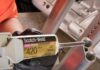
We appreciate adhesives that are easy to use, fast-setting, and versatile, and the WEICON Epoxy Minute Adhesive 0.8 Oz (24 ml) / Clear General Purpose epoxy/Instant epoxy for Metal, Wood, Stone, Plastic, Glass and Ceramic GRP fits that description. It gives us a crystal-clear finish, convenient 1:1 dosing, and short handling times that make it very handy for small jobs, crafts, and light industrial repairs.

WEICON Epoxy Minute Adhesive 0.8 Oz (24 ml) / Clear General Purpose epoxy/Instant epoxy for Metal, Wood, Stone, Plastic, Glass and Ceramic GRP
Product Overview
We’ll summarize what the product is and where it fits in our kit. This is a two-component instant epoxy supplied with a mixing tip that doses resin and hardener 1:1 and produces a clear, strong bond suitable for many materials.
What’s in the tube and how it works
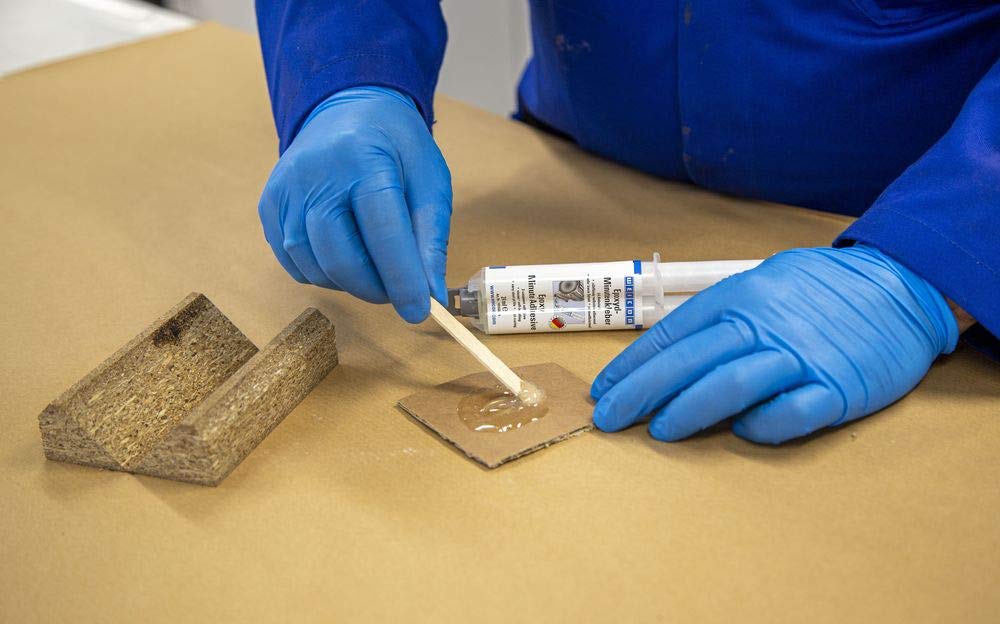
We like that the resin and hardener are combined in a single syringe and mixed in the dosing tip, so we don’t have to measure separately. The 1:1 mixing ratio and dosing tip make it straightforward; squeeze equal parts through the tip, apply, and the components automatically mix as they exit.
Target applications and claimed strengths
We often reach for this adhesive for metal, wood, stone, plastic, glass, ceramic, and GRP tasks; the manufacturer explicitly lists indoor and outdoor use in industry, assembly, model making, and handicrafts. The product promises fast curing, shock resistance, and a crystal-clear finish, which suits visible repairs and small structural joins.


Quick Specs Table
We find tables helpful for quick decisions, so here’s a breakdown of the main specifications and timelines provided by the manufacturer. This gives us a fast reference for planning an application.
| Feature | Detail |
|---|---|
| Product Name | WEICON Epoxy Minute Adhesive 0.8 Oz (24 ml) / Clear General Purpose epoxy/Instant epoxy for Metal, Wood, Stone, Plastic, Glass and Ceramic GRP |
| Mixing Ratio | 1:1 (resin : hardener) via dosing tip |
| Packaging | Twin-chamber syringe with dosing/mixing tip |
| Pot Life | 5 minutes |
| Hand-Held Time | Approx. 30 minutes |
| Mechanical Load | From 1 hour |
| Fully Cured | 24 hours |
| Heat Resistance | -58 to 178 °F (-50 to +80 °C) |
| Viscosity / Behavior | Viscous, self-levelling |
| Appearance | Crystal clear when cured |
| Suitable Materials | Metal, wood, stone, plastic, ceramics, glass, GRP |
| Quality | 100% German Quality; meets physical, safety, toxicological, ecological regs |
| Recommended Cleaner | WEICON Surface Cleaner |
Packaging and First Impressions
We like compact packaging that’s ready to use without extra tools, and the syringe design delivers that convenience. The dosing tip that mixes resin and hardener 1:1 removes the common mixing guessing game we face with two separate tubes.
Ease of handling and storage
We find the syringe easy to store and carry, and the separate tip keeps the mix reliable until we’re ready to use it. After use, we always clean the tip and cap it to reduce the risk of clogging; keeping it in a cool, dry place extends shelf life.
Visual and tactile properties before curing
The uncured product is viscous but squeezes smoothly from the syringe; it’s self-levelling enough to fill small gaps but not runny, which helps prevent messes on vertical surfaces. The clear nature of the cured epoxy is excellent for repairs where appearance matters.

Mixing Ratio and Pot Life
We appreciate clarity on timing and ratios so we can plan each repair. The 1:1 mixing by volume simplifies preparation, and the short pot life encourages quick, deliberate work.
The 1:1 dosing tip: pros and cons
The dosing tip is a big pro for us—no need to measure or buy separate mixers. The downside is that we need to be quick once the mixed epoxy is dispensed because the pot life is about 5 minutes, which means larger or complicated assemblies require staging or multiple small applications.
Pot life implications for projects
With just a 5-minute pot life, we make sure parts are pre-fitted and clean before we apply adhesive. For multi-piece projects, we apply the epoxy to one junction at a time to avoid wasting material and to ensure each joint cures properly.
Curing Schedule and Handling Times
Knowing the times for handling and full cure is essential when scheduling projects, and we plan our clamping and finishing steps around these times. The product offers a useful combination of speed and working window.
Hand-held, load-bearing, and full cure
We can handle bonded parts in about 30 minutes, apply mechanical loads after roughly 1 hour, and expect full cure and maximum properties after 24 hours. These stages let us remove clamps quickly for small parts while still waiting a day for final machining or stress.
Temperature and cure speed
Curing will generally be faster at warm room temperatures and slower in cold conditions; we keep this in mind for outdoor winter work. The adhesive’s rated heat resistance (-50 to +80 °C) means it handles a wide range of typical environments.
Performance on Different Materials
We evaluate performance by material because adhesives perform differently depending on substrate chemistry and surface energy. Here we discuss how we use the product on the materials listed by the manufacturer.
Metal
We rely on this epoxy for joining or repairing metal parts where gap filling and shock resistance matter. For best adhesion, we clean metal surfaces thoroughly (remove oil, rust, and oxides) and roughen smooth metals slightly for increased mechanical keying.
Wood
We use the epoxy for small wooden repairs and crafts where a clear finish is desirable; it bonds well to wood fibers and tolerates small gaps. For structural woodworking tasks, we still prefer specialized wood glues, but for mixed-material assemblies or visible repairs, this epoxy is a great choice.
Stone
Small stone chips and decorative stone repairs are a good match for this epoxy, as it can fill and set hard with a clear result. We roughen broken stone faces and make sure they’re dust-free for the best bond.
Plastic
Plastic compatibility depends on the plastic type; we’ve had good success on rigid, higher-energy plastics like ABS, PVC, and acrylics. Low-surface-energy plastics such as polyethylene and polypropylene typically need pre-treatment (flame, primer, or sanding) or a specialty adhesive for reliable bonding.
Glass
We like this epoxy for glass repairs and bonding because of the clear finish and reasonable strength. Glass-to-metal or glass-to-ceramic joins work well if surfaces are clean and clamped gently.
Ceramic
Ceramic parts adhere well with this epoxy, especially when the fracture surfaces are properly cleaned and slightly abraded. The shock resistance and clear cure make it suitable for visible ceramic repairs.
GRP (Glass Reinforced Plastic)
We use it for GRP repairs and model making where compatibility with fiberglass laminates matters; the epoxy adheres well to GRP when the surface is prepared by sanding and degreasing.
Surface Preparation and Cleaner Recommendation
We cannot overstate the importance of surface prep because adhesion depends on it. We always clean surfaces thoroughly and follow the manufacturer’s recommendation to use WEICON Surface Cleaner.
Cleaning, degreasing, and roughening
We remove grease, oil, dust, and loose particles with a solvent-based cleaner, then abrade glossy surfaces lightly to increase mechanical adhesion. Proper surface prep reduces the chance of premature bond failure and maximizes the epoxy’s performance.
Using WEICON Surface Cleaner
We recommend WEICON Surface Cleaner to remove grease and contaminants before applying the epoxy; it’s designed to work with WEICON products and helps us achieve optimum adhesion. After cleaning, we allow the surface to dry completely before applying adhesive.

Mechanical Properties and Behavior
The manufacturer describes the resin as viscous, self-levelling, quick-hardening, shock-resistant, extremely strong, and crystal clear. These characteristics shape how we use it and what to expect from cured joints.
Viscosity and gap-filling
The adhesive is viscous enough to bridge small gaps without running away, which is useful for uneven surfaces. It self-levels to produce a smooth finish across joints but is not runny, so vertical faces won’t cause excessive slip.
Shock and mechanical resistance
Shock resistance makes this product a good match for applications subject to vibration or occasional impact. While not specified as a structural epoxy for heavy loads, it is robust enough for many household, craft, and light industrial repairs.
Heat Resistance and Environmental Limits
We look at temperature specs to determine suitability for ambient, automotive, and mild thermal exposures. The stated range is -58 to 178 °F (-50 to +80 °C).
Working in hot and cold conditions
The epoxy will remain stable within the stated temperature range, so we feel comfortable using it indoors and outdoors in typical climates. For high-temperature applications above 80 °C, we choose specialized high-temperature epoxies.
Weathering and outdoor performance
Since the adhesive is suitable for outdoor applications, it tolerates usual weather cycles, though we keep in mind that UV exposure over many years may affect some epoxies’ appearance and surface properties. For critical outdoor or marine tasks, additional coatings or UV protection can extend longevity.

Safety, Toxicology, and Handling Precautions
We treat epoxies with respect—uncured components can be irritants or sensitizers—so safe handling is always essential. The product meets German safety and toxicological regulations, but we still take standard precautions.
Personal protective equipment and ventilation
We wear nitrile gloves and eye protection when handling the resin, and we work in a well-ventilated area to minimize inhalation of any fumes. If we’re sanding or creating dust from cured material, we use a dust mask or respirator.
Skin contact, cleanup, and first aid
If uncured resin contacts skin, we wipe it off quickly and clean the area with WEICON Surface Cleaner or a suitable solvent, then wash thoroughly with soap and water. For eye contact or ingestion, we follow safety data sheet (SDS) guidance and seek medical attention if needed.
Disposal and environmental considerations
We dispose of uncured materials as chemical waste according to local regulations and recycle or dispose of packaging responsibly. The product is manufactured under ecological regulations, but we still avoid releasing residual resin into drains or the environment.
Application Tips and Techniques
We’ve refined several practical tips that help us get repeatable, strong bonds with this epoxy. These are the techniques we use every time to make the process smooth and successful.
Step-by-step application workflow
- Prepare and clean both surfaces thoroughly with WEICON Surface Cleaner.
- Slightly abrade smooth or glossy surfaces for better mechanical adhesion.
- Remove the cap and attach the mixing tip; dispense a small test bead to ensure proper mixing.
- Apply the mixed epoxy to one surface, join the parts, and hold/clamp according to the hand-held time (about 30 minutes).
- Remove excess uncured epoxy promptly with the surface cleaner and a cloth before it sets.
We follow this workflow to avoid rushed mistakes and to keep the joint area tidy during cure.
Clamping, gap filling, and finishing
We clamp lightly but securely during the hand-held time to maintain alignment, and we use spacers or jigs for consistent glue lines. After cure, the epoxy can be sanded, filed, drilled, or painted if needed, so we complete shaping or finishing after the 24-hour full cure.
Troubleshooting Common Issues
We have encountered a few predictable problems and learned how to fix them. Here are the common failure modes and how we address them.
Poor bond or delamination
If bonds fail, common causes are insufficient surface prep, contamination, or incorrect mixing. We re-clean and abrade surfaces, ensure proper 1:1 mix and discard any clogged or partially cured tip that may have mixed incorrectly.
Too fast cure or incomplete cure
Extremely warm conditions can shorten pot life further and cause premature gelling—so we work in cool, stable temperatures for better control. Conversely, cold environments slow cure; we warm parts (without exceeding recommended temps) to restore cure times.
Plastic-specific failures
For low-energy plastics like PE or PP, we pre-treat with a special primer or increase surface energy by flame treatment or corona treatment. If we can’t reliably bond such plastics, we switch to adhesives formulated specifically for them.
Comparison with Other Adhesive Types
We like to contrast products so we can choose the right tool. Here we compare this WEICON epoxy to cyanoacrylate (CA) glues and other 2-part epoxies.
WEICON Epoxy vs Super Glue (CA)
Super glue gives very fast, brittle bonds and is great for tiny non-porous parts, but it’s not gap-filling and is less shock-resistant. We reserve CA for instant fixes; for gap-filling or mixed-material joints where clarity and durability are required, we prefer the WEICON Epoxy.
WEICON Epoxy vs Other 2-part Epoxies
Compared with slower-setting general-purpose epoxies, this minute adhesive is much faster, making it ideal for quick repairs. For large structural assemblies where extended pot life and larger batches are needed, we pick slower epoxies that give more working time.
Pros and Cons
We summarize the main benefits and limitations we observe to help decide when to use this adhesive.
Pros
- Convenient 1:1 syringe dosing with mixing tip for accurate mixing.
- Short pot life and fast handling times for quick repairs.
- Crystal-clear finish suitable for visible joints.
- Wide substrate compatibility: metal, wood, stone, plastic, glass, ceramic, GRP.
- Good shock resistance and suitable for indoor/outdoor use.
- Compact 0.8 oz (24 ml) size ideal for small jobs and kits.
We find the pros make the product a go-to for hobbyists, model makers, and quick maintenance tasks.
Cons
- Short 5-minute pot life requires quick working and staging of parts.
- Limited quantity per syringe — not ideal for large projects.
- Some low-energy plastics may need pre-treatment or a different adhesive.
- Not a replacement for high-temperature or high-load structural epoxies.
We consider these tradeoffs acceptable for the target use cases.
Real-World Use Cases and Project Ideas
We use this epoxy in many daily tasks where a reliable, neat, and fast bond is required. These examples illustrate how we incorporate it into our workflow.
Household repairs
We fix chipped ceramics, reattach small hardware to furniture, and mend decorative glass with satisfying, invisible results. The quick handling time means many repairs are finished within an hour.
Model making and crafts
For scale models, miniatures, and crafted items where clarity and precise bonding matter, the epoxy’s clear cure and fine application help us keep joints clean and strong. We also use it for bonding mixed materials like metal and plastic.
Small assembly and maintenance
In light industrial settings, we use it for small part assemblies, sensor mountings, and fixture repairs where a clear, shock-resistant bond is needed and we require a quick return to service.
Outdoor and marine trim
We rely on its outdoor suitability for light marine work and small exterior fixtures, remembering the temperature limits and advising surface sealing if prolonged UV exposure is expected.
FAQ
We answer common questions we get about the product so we can make decisions faster.
Can we sand, drill, or machine the cured epoxy?
Yes. Once fully cured (24 hours), the epoxy becomes hard and can be sanded, filed, drilled, or painted like many cured epoxies. We wait the full cure time for best results.
How long does an opened syringe last?
Shelf life varies with storage conditions. We keep opened syringes capped, in a cool and dry place, and use them promptly. If the tip clogs or partial curing occurs, we discard the affected portion and attach a fresh tip for consistent mixing.
Can we use it in wet conditions?
We avoid applying the adhesive on wet or heavily contaminated surfaces because adhesion will be compromised. For damp conditions, we dry the surface or use an epoxy formulated for wet bonding.
What plastics are problematic?
Low-surface-energy plastics such as polyethylene (PE) and polypropylene (PP) usually require pre-treatment or primers. Rigid plastics like ABS, PVC, and acrylic bond much better with this epoxy.
Final Recommendation
We recommend the WEICON Epoxy Minute Adhesive 0.8 Oz (24 ml) / Clear General Purpose epoxy/Instant epoxy for Metal, Wood, Stone, Plastic, Glass and Ceramic GRP as a versatile and convenient adhesive for households, hobbyists, and light industrial tasks. Its clear finish, fast handling times, and the simplicity of the 1:1 dosing tip make it a reliable option for many quick repairs and mixed-material assemblies.
We suggest pairing it with WEICON Surface Cleaner to ensure the best adhesion, wearing appropriate protective equipment during use, and planning projects to account for the 5-minute pot life and 24-hour full cure. With those practices, we’ve found it to be an efficient, effective adhesive to keep in our toolkit.

Disclosure: As an Amazon Associate, I earn from qualifying purchases.